Last updated October 31, 2026
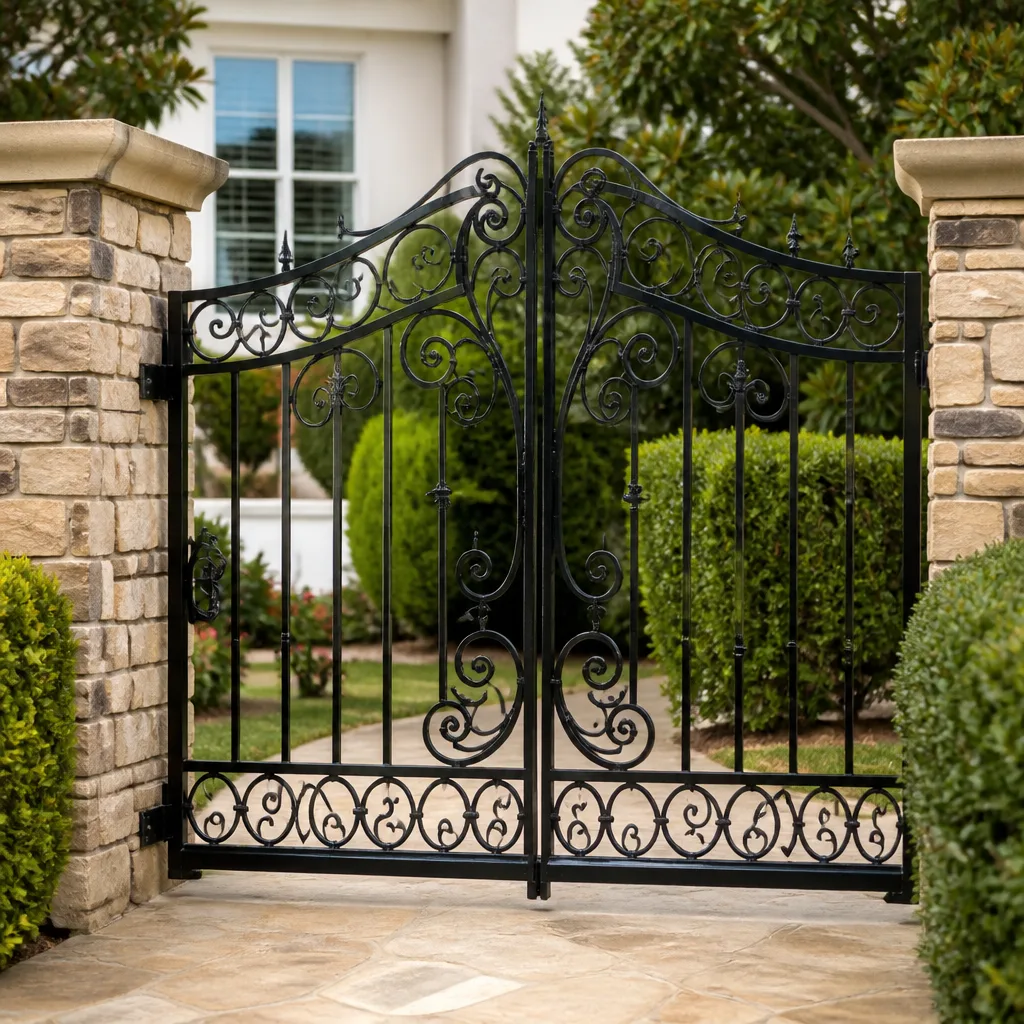 Wrought iron
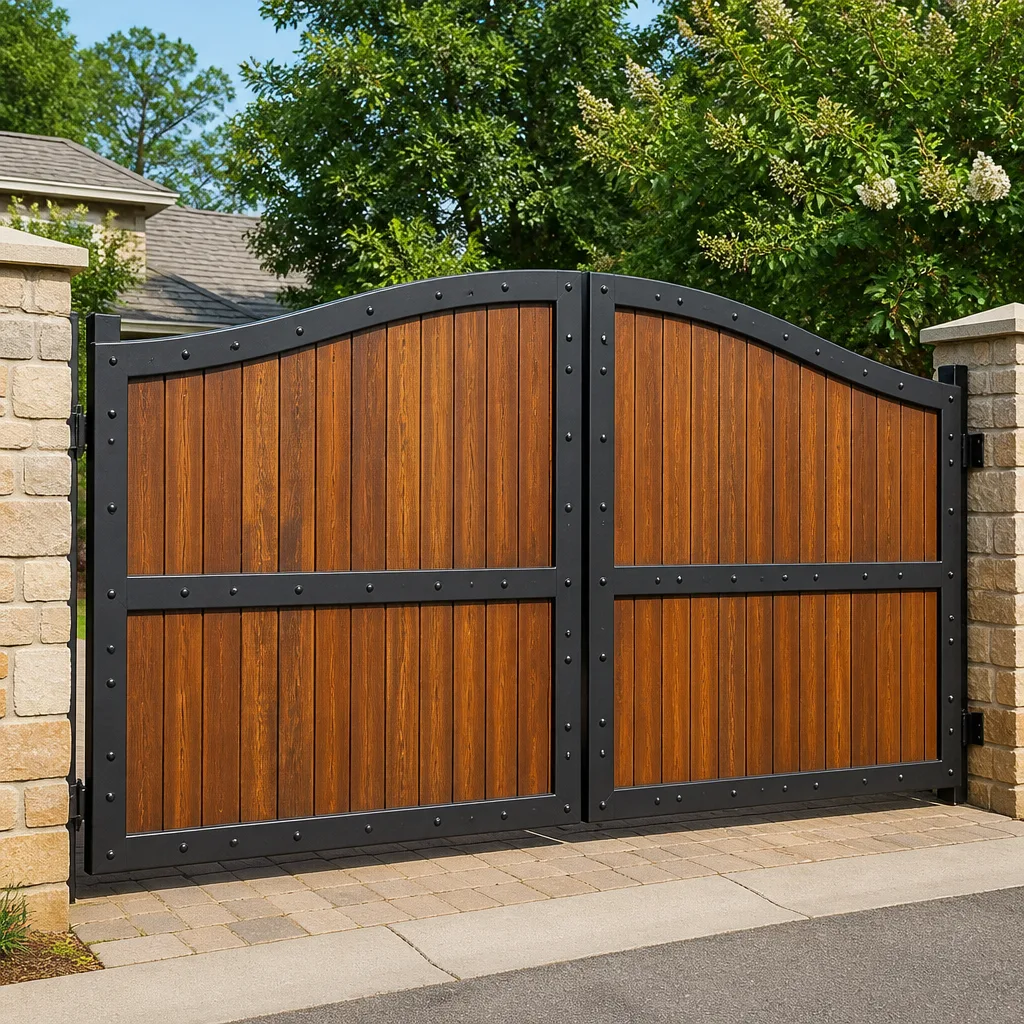 Wood & steel frame
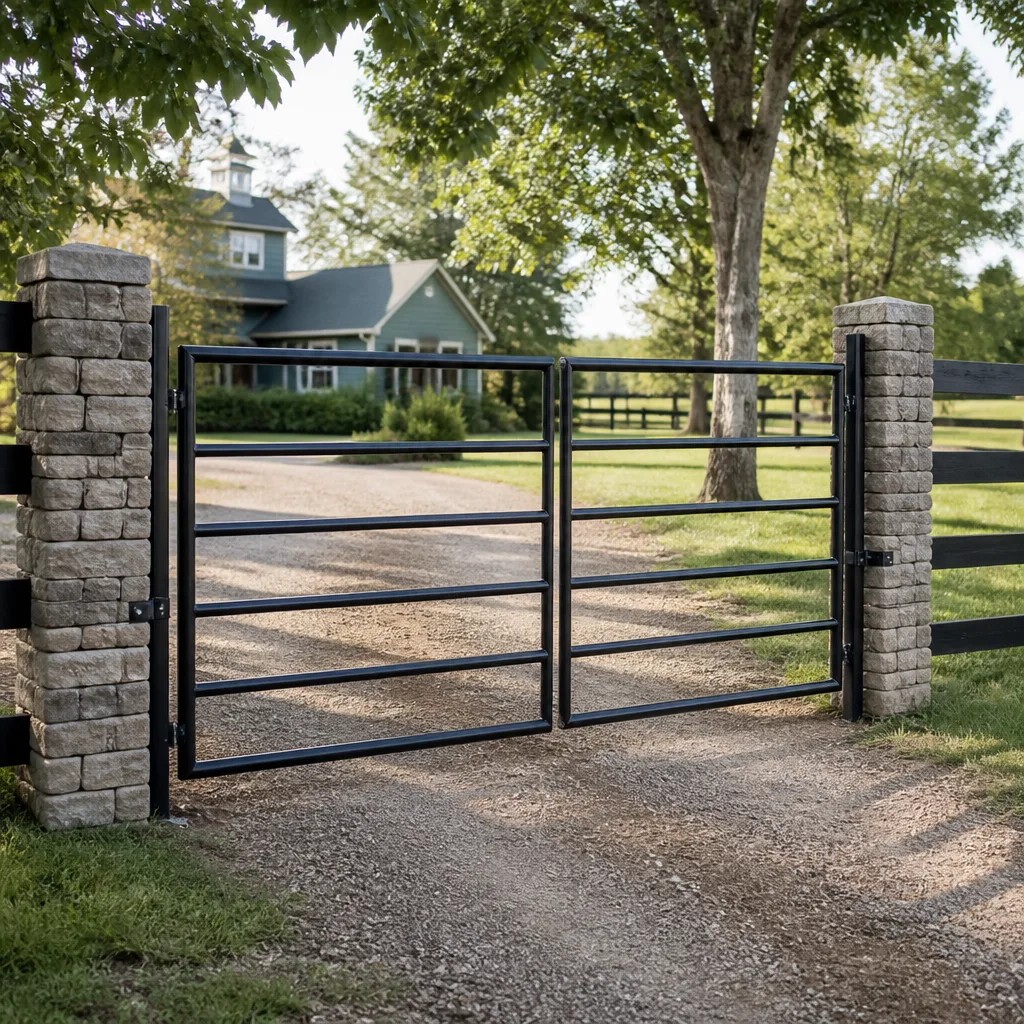 Farm & ranch
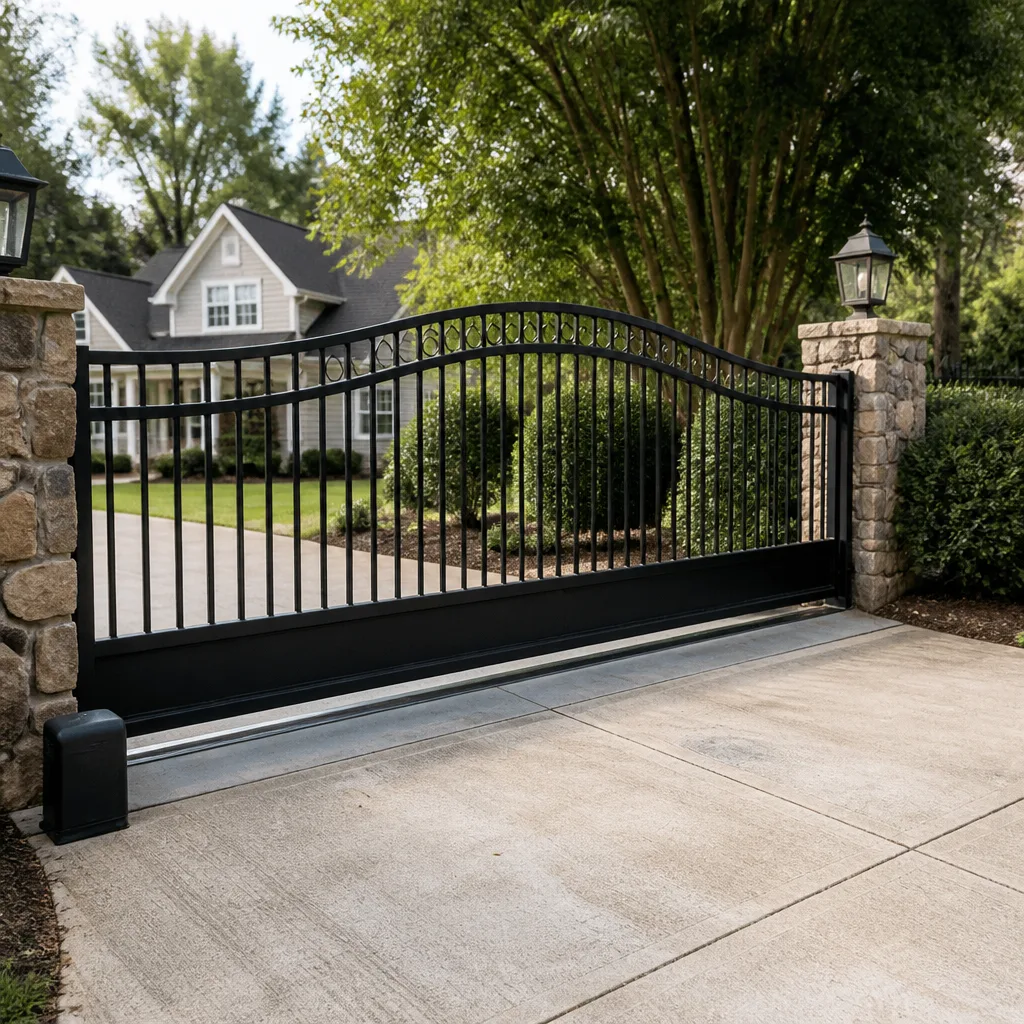 Sliding driveway gates
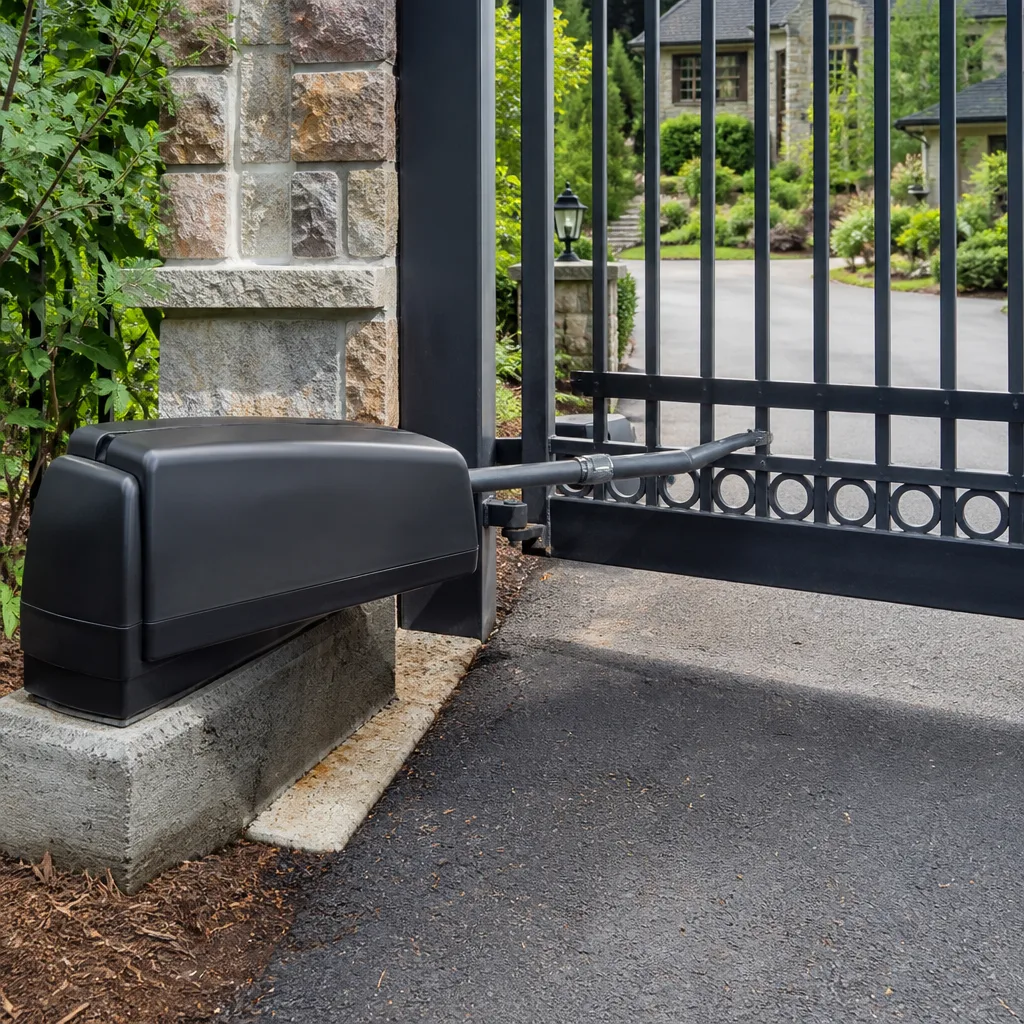 LiftMaster operators
Free on-site gate assessment - hinges, posts, and your LiftMaster or Nice gate operator checked before anything is quoted
The assessment is free and the quote is the invoice.
Get your free estimateGate Repair Emergency Preparedness Guide for Corona Homes
Here’s the counterintuitive truth about gate emergencies in Corona: the failure itself is rarely the worst part. The worst part is discovering you don’t know where the manual release is, you don’t know what brand of operator you own, and you don’t know who to call at 10pm on a Saturday. Corona’s summer heat and Santa Ana winds put real stress on gate motors, hinges, and control boards. When a gate stops working, it’s either trapping you inside your property or leaving it wide open, and neither is a pleasant way to discover you’re unprepared. This guide gives you a specific plan for both scenarios before they happen, not during.
Quick Answer
Gate repair emergencies in Corona fall into three categories: the gate won’t open, the gate won’t close, or the gate is stuck halfway. Every Corona homeowner with an automatic gate should know their operator’s brand, know where the manual release key or handle is, and have the phone number of a gate specialist saved before the failure happens. Treat a gate emergency like a smoke alarm: you don’t plan for it when the alarm is going off, you plan for it now.
Styles & brands we work with
Table of Contents
- The Three Gate Emergency Types and Your First Response to Each
- How to Find and Operate the Manual Release on Corona’s Most Common Gate Operators
- What to Tell an Emergency Gate Repair Technician Over the Phone
- The Pre-Failure Checklist: What to Document Before You Need It at 10pm
- After-Hours Gate Repair in Corona: What Actually Happens
- How to Avoid Dispatching the Wrong Contractor Type in a Panic
- How Corona’s Climate Creates Gate Emergencies Other Cities Don’t See
The Three Gate Emergency Types and Your First Response to Each
Every gate emergency we respond to in Corona falls into one of three categories. Knowing which one you’re dealing with changes everything about what you should do in the first five minutes, and what you should say when you call for help. Here’s the breakdown.
- Locked closed: the gate won’t open. This is the most common emergency call we get from Corona homeowners. You’re trying to leave for work, or you need to get a vehicle out, and the gate is a steel wall. The first response is not to force it. Forcing a gate that’s locked closed can bend the operator arm, strip the gearbox, or snap a chain. Your first response is to locate the manual release, which we cover in detail below, and disengage the motor so the gate can be pushed open by hand. If the gate has a magnetic lock or a slide gate with a v-track, the release may be padlocked or keyed, and you need to know where that key lives.
- Locked open: the gate won’t close. This is the security-sensitive failure. A gate stuck open in Corona means an open property line, and depending on where you live, that could mean anything from an unsecured backyard to a driveway that faces a busy street. The first response is different: you’re not trying to move the gate, you’re trying to determine whether it’s safe to leave it open. If you can’t close the gate manually, you need to secure the property another way until a technician arrives, and you need to tell the dispatcher that the gate is stuck open. An open gate is a higher priority than a closed one because it’s a security exposure, not just an inconvenience.
- Partially obstructed: the gate is stuck halfway or making noise. This one looks less serious but often isn’t. A gate that’s stuck halfway usually means something physical is blocking the track, or a limit switch has failed, or the motor is burning out trying to move a load it can’t handle. The first response is to stop using the gate entirely. Every time you press the remote, the motor draws current, and a stalled motor burns out fast. Cut power to the operator if you can, and get a technician on the phone.
In our experience, Corona homeowners tend to underreact to a gate stuck open and overreact to a gate stuck closed. Both are emergencies, just in different directions. Treat them both as immediate.
How to Find and Operate the Manual Release on Corona’s Most Common Gate Operators
Here’s the single most important fact in this guide: every automatic gate has a manual release, and most Corona homeowners don’t know where theirs is. The manual release is the mechanism that disconnects the gate from the motor so it can be pushed or pulled by hand. It’s not a luxury feature. It’s the difference between driving your car out of the driveway and waiting three hours for a technician.
The release mechanism differs slightly by brand, but the principle is the same across all of them: you’re pulling a lever, turning a key, or inserting a tool that mechanically separates the gate from the drivetrain. Here’s how it works on the operators we see most often in Corona.
- LiftMaster and DoorKing slide gate operators: these typically have a manual release handle on the side of the operator housing. Pull the handle, and the chain or belt drive disengages. You can then push the gate along its track by hand. On some DoorKing models, there’s a fire-department key release on the outside, which means the fire department can open your gate with a universal key. If you have one of those, find out where it is and put a label on it.
- Mighty Mule and Ghost Controls swing gate operators: these are DIY-grade systems, and their manual release is usually more obvious, which is a good thing. They typically have a small release lever or a pin that you pull to disconnect the operator arm from the gate bracket. These gates are light enough to push open by hand once released. If you have a Mighty Mule or Ghost Controls operator, the manual release takes about five seconds once you know where the lever is.
- FAAC and BFT swing gate operators: these European systems use either a keyed release on the operator or a push-button release depending on the model. The release is often a triangular key or a flat-head slot, not a simple pull handle. If you have a FAAC or BFT system, the key should be stored somewhere you can access without going through the gate, which sounds obvious until you need it at 6am and it’s on the kitchen windowsill.
- Elite and Viking slide gate operators: commercial-grade operators that often have a chain-driven manual release or a crank system. Some Viking models require you to disengage the clutch with a specific tool that may be stored on the operator itself. If the tool is missing, which happens more often than you’d think, the release is useless.
Now here’s the thing that disables most manual releases: a dead battery on the operator’s backup system. Wait, that doesn’t sound right, you might think. A manual release is mechanical, so what does the battery have to do with it? Here’s the answer: many modern operators, especially premium systems like FAAC and some LiftMaster models, have an electronic brake or a magnetic lock that defaults to locked when power is cut. The manual release works, but the brake still holds the gate. If the backup battery is dead, which happens in Corona during peak summer when batteries cook in the heat, you can pull the release lever all day and the gate won’t move. This is why testing your manual release annually, not just when the gate fails, matters so much.
Here’s the step-by-step for testing your manual release today, before you need it:
- Locate the operator housing, which is the metal box near the gate itself, not the keypad or the remote.
- Look for a release handle, a key slot, or a pull pin. If you see a small padlock, that’s the release lock.
- Cut power to the operator at the breaker or unplug it, then try the release.
- If the gate moves freely by hand, the release works. If it doesn’t, you have a brake or a battery issue that needs attention before an emergency.
- Put the key, the release tool, or the padlock key on a hook in a location you can reach from both sides of the gate.
If you do this once and it works, great. If you do it once and it doesn’t, you just learned something at 2pm on a Sunday instead of 10pm on a Tuesday, which is a much better trade.
What to Tell an Emergency Gate Repair Technician Over the Phone
When you call for emergency gate repair, the person on the other end is trying to figure out three things: what broke, what parts they need, and how urgent it is. You can make that conversation five minutes instead of twenty by having specific information ready. Here’s what actually helps.
Say the brand of the operator first. “It’s a LiftMaster slide gate” or “It’s a Mighty Mule swing gate” tells a specialist immediately what they’re dealing with. The brand determines the parts, the manual release type, and the likely failure mode. A Gate Repair specialist in Corona who knows nine major brands can start narrowing down possibilities before they even hang up the phone. If you don’t know the brand, describe the gate: swing or slide, steel or iron, residential or commercial-looking. That’s enough to start.
Describe the failure precisely. Not “it’s broken.” Be specific: “The gate moves about two feet and then stops” or “The motor hums but the gate doesn’t move” or “The gate opens fine but slams shut on its own.” Each of those points to a different fault. A hum with no movement suggests a capacitor or a gearbox. A gate that opens but slams shut suggests a limit switch or a hydraulic issue. The more precise you are, the more likely the technician arrives with the right parts on the truck for a first-visit fix.
Say what you’ve already tried. If you pulled the manual release and the gate still didn’t move, say so. If you cut the power and restarted it, say so. If the gate made a loud bang before it stopped working, say so. This information prevents the technician from retracing your steps and gets straight to diagnosis.
Send photos before they arrive. Every Corona homeowner has a phone with a camera. Take a photo of the operator, the gate, the track, and the control board if you can access it. Text those photos while you’re on the call. The brand name is often printed right on the operator housing, and a clear photo shows the technician exactly which generation of system they’re dealing with. We regularly have customers send us a photo of a control board and recognize the board revision from across town, which means the right parts show up on the first trip instead of the second.
Here’s the template of what to have ready before you dial:
- Brand and model of the operator, if visible.
- Swing gate or slide gate.
- What the gate is doing, or not doing, in one sentence.
- What happened immediately before the failure, if you know (power outage, storm, loud noise, etc.).
- Whether you’ve tried the manual release and what happened.
- A photo of the operator and the gate area.
That’s the whole list. If you have those six things, the dispatch call takes three minutes and the technician arrives with a clear plan. For electric gate repair specifically, the brand photo is especially important because control boards and safety sensors are brand-specific, and there’s no universal part for automation electronics.
The Pre-Failure Checklist: What to Document Before You Need It at 10pm
Imagine this: it’s 10pm on a Saturday. Your gate has been dead for two hours. You’re on the phone with a technician, and they ask what brand of operator you have. You don’t know. They ask if it’s a swing or slide. You know it’s the one that swings. They ask if you can send a photo. You’re in bed, it’s dark, and the operator is 100 feet from the house. You don’t want to go out there. So the technician guesses, and the guess might be wrong, and the wrong guess means a return visit and another bill.
Now imagine the same scenario, except you already did the following ten-minute exercise last month:
- Photograph the operator. Stand in front of the motor housing and take a clear photo of the brand name and any model number printed on it. Save it to a folder on your phone called “Gate.” That folder is your emergency kit.
- Photograph the gate itself. Full view, showing whether it’s a swing or slide, the material, and the track or hinges. Add a photo of the control board if the housing opens easily.
- Locate and photograph the manual release. Circle it in the photo or take a close-up so you can find it in the dark by memory.
- Note the power source. Where is the breaker that kills power to the operator? Which outlet does it plug into, if it has a plug? Is there a backup battery? Photograph the breaker label and the battery if you can see it.
- Write down the access code or keypad location. If the technician needs to get through a pedestrian gate or into the yard, what do they need to know? If there’s a lockbox or a side gate code, write it down. Don’t put it in this guide, but do put it in your phone.
- Save the phone number. Put a Gate Repair in Corona specialist’s number in your contacts under “Gate Repair” so you’re not Googling in a panic at midnight.
This entire exercise takes fifteen minutes and costs nothing. The payoff is that you never have to fumble for answers under stress, and the technician arrives with the right parts on the first trip. We’ve seen the difference play out hundreds of times: the homeowner who has the brand and model ready gets a first-visit fix. The homeowner who says “I think it’s a white box” gets a diagnostic visit, a parts order, and a second visit, which doubles the downtime and often doubles the labor cost.
If you’re thinking about replacing your gate or upgrading an old one, this documentation exercise is also exactly what you’d need to get an accurate quote for Gate Installation in Corona, so it’s not wasted work even if you never have an emergency. For more preparation tips, see our Gate Repair Maintenance Checklist for Corona Homeowners. It’s the same information an installer needs, just organized in advance.
After-Hours Gate Repair in Corona: What Actually Happens
Corona is not a small town, but it’s also not Los Angeles. The after-hours gate repair landscape here is a mix of local specialists, handyman services, and national chains, and the difference between those options matters a lot when it’s 11pm and your gate is open.
Response windows. A gate specialist in Corona will typically give you an honest window of two to four hours for an after-hours emergency call, sometimes faster if you’re in a central neighborhood like Corona Hills or along the 91 corridor where shops are nearby. Handyman services may quote a shorter window because they’re not actually prepared for a gate job, and a national chain may route you to a call center in another state that dispatches a technician who drives gates, garage doors, and everything else. We recommend calling a gate-only specialist and asking directly what their response window is for your area. A straight answer is a good sign.
How emergency rates are structured. After-hours gate repair typically carries a trip charge or a dispatch fee plus an hourly rate that’s higher than the regular daytime rate. Some companies charge a flat emergency service call, others charge time and materials from the moment the truck rolls. None of this should be a surprise. A reputable gate company will quote you the emergency rate on the phone before anyone gets in a truck, and that’s exactly what you should ask for: “What’s the trip charge and the hourly rate for after-hours service?” Anyone who won’t answer that question on the phone should not be dispatched to your property.
What you can expect once the tech arrives. The technician should diagnose the gate, quote the repair before doing the work, and get your approval on the price. That’s standard practice for any legitimate gate company, and it applies at 2am just as much as it does at 2pm. The price is quoted and agreed before any work starts. If a technician tries to replace a board without telling you the cost, stop the job right there. That’s not how reputable companies work.
Same-night fixes versus temporary measures. Some failures can be fixed the same night: a capacitor, a limit switch, a blown fuse, a loose chain. Other failures require a part that has to be ordered, especially on premium European brands like FAAC or BFT where parts distribution is tighter. A good technician will tell you which situation you’re in, offer a temporary solution if one exists (manual operation, keeping the gate open or closed), and give you a clear timeline. The goal is that you don’t dispatch a second specialist for the same job.
How to Avoid Dispatching the Wrong Contractor Type in a Panic
When your gate is down, the natural instinct is to call whoever answers the phone fastest. That instinct is expensive. Here’s the reality: a handyman who doesn’t know gate automation will replace the most obvious part and hope for the best. A garage door company that also does gates will treat your gate like an oversized garage door, which it is not. A general contractor won’t answer the phone at 10pm at all, and if they do, they’re not coming to Corona for a gate call.
The right contractor type for a gate emergency is a gate specialist. Here’s what that means in practice, and what to listen for on the phone:
- They know the brand. If you say “DoorKing” and the person on the phone asks what that is, hang up and call someone else. A gate specialist recognizes the brand instantly and starts narrowing down the failure mode.
- They can talk control boards, loop detectors, and safety edges. Electric gate repair is a distinct skill, not a bolt-on to general contracting. The control board is the brain of an automated gate, and when it fails, you need someone who can diagnose a board fault, not someone who’s going to swap the remote batteries and call it fixed.
- They quote the trip charge and rate upfront. This is a marker of professionalism. Anyone who says “we’ll figure it out when we get there” is going to hand you a bill that figures it out in their favor.
- They ask you the questions from this guide. Brand, swing or slide, failure description, manual release attempt. If the dispatcher asks those questions, they’re building a parts list and a plan before the truck moves. That’s exactly what you want.
Baron Gate Repair is a gate-specialist company. We repair gates, we repair electric and automated gate systems, and we install new gates. We don’t do roofs, we don’t do plumbing, and we don’t split our attention across ten trades. That singular focus means we know the brands on your gate, from a Mighty Mule on a ranch property to a LiftMaster on a hillside estate, and we know which failures are urgent and which can wait until morning.
How Corona’s Climate Creates Gate Emergencies Other Cities Don’t See
Corona’s geography does specific things to gate hardware, and if you understand those things, some emergencies become predictable. Here’s what the local climate and environment actually do to your gate.
Summer heat kills backup batteries. Corona regularly sees summer temperatures in the high 90s and low 100s, and the operator housing, which is usually a metal box in direct sun, gets much hotter than the air temperature. Backup batteries inside that box degrade faster here than they do in coastal cities. A battery that’s three years old in Corona is often a dead battery, and a dead battery means the gate won’t move when the power cuts. This is the single most common heat-related failure we see, and it’s entirely predictable. If your gate has a backup battery and it’s been installed for three or more years, have it checked before summer peak.
Santa Ana winds load swing gates. A swing gate is a giant sail. When Santa Ana winds gust at 40 or 50 miles per hour, which happens several times a year in Corona, a lightweight swing gate gets pushed hard against its stops and against its operator. That stress bends brackets, strips bolts, and in severe cases, snaps the operator arm. If you have a large swing gate, and the wind is forecast, the best thing you can do is open the gate fully and disengage the operator if possible, or at least make sure the gate is fully latched in the closed position so it’s not flapping. Wind damage to swing gates is one of the most preventable emergency calls we respond to.
Dust and grit wear v-track rollers. Corona’s dry climate means dust, and dust works its way into every moving part on a slide gate. The v-track rollers, the chain, the idlers, all of it. Over time, that dust turns into a grinding paste that wears rollers into ovals instead of circles. A worn roller eventually siezes, and a siezed roller means a slide gate that jerks, bangs, and finally stops moving. This is a gradual failure that becomes an emergency when nobody notices the warning signs. If your slide gate has started making a grinding sound or moving with a jerky motion in the last month, that’s the pre-failure warning.
Stucco and iron expand at different rates. Corona’s building style is heavy on stucco and wrought iron, and those materials move differently as temperature shifts. An iron gate set into a stucco pillar needs working clearance, and when that clearance disappears because the pillar has shifted or the house has settled, the gate binds. A bound gate strains the operator until the operator fails. This is a Corona-specific failure that has more to do with construction and soil movement than with gate hardware itself.
None of these failures are mysterious. They’re the predictable result of Corona’s climate acting on gate hardware over years. Knowing them means you can watch for them, and watching for them means some emergencies never happen.
Common Mistakes to Avoid
- Forcing a locked gate. A gate that won’t open is not a door. Forcing it bends the operator arm, strips the gearbox, and sometimes snaps a chain that then whips into the track. If the manual release doesn’t free it, stop and call a technician.
- Ignoring a gate that’s stuck open. An open gate is a bigger security issue than a closed one. If you can’t close the gate manually, secure the property by other means and treat this as an urgent call, not a tomorrow-morning job.
- Pressing the remote repeatedly when the gate is stalled. Every press of the remote sends a signal, and a stalled motor drawing current burns out fast. If the gate doesn’t move on the first try, stop using the remote and cut power to the operator if you can.
- Hiring a generalist for an automation fault. Gate automation is specialized. A handyman who “has done gates before” may be able to replace a hinge, but they’re not going to diagnose a failing control board or a loop detector fault. The wrong contractor costs more in the long run because you pay twice.
- Not knowing where the manual release is. This is the mistake that turns a ten-minute inconvenience into a three-hour wait. Find it, test it, and put the key or release tool where you can reach it from either side of the gate.
- Skipping the pre-storm check. If a Santa Ana event is forecast and you have a large swing gate, open it fully or latch it securely before the wind arrives. A fifteen-minute preparation step avoids a gate that’s torn off its hinges at midnight.
- Calling the cheapest option after hours. Emergency rates vary, but the cheapest option is often the one that arrives without the right parts, diagnoses in the dark, and leaves your gate working for a week before it fails again. You’re not buying a part, you’re buying a first-visit fix.
See the difference
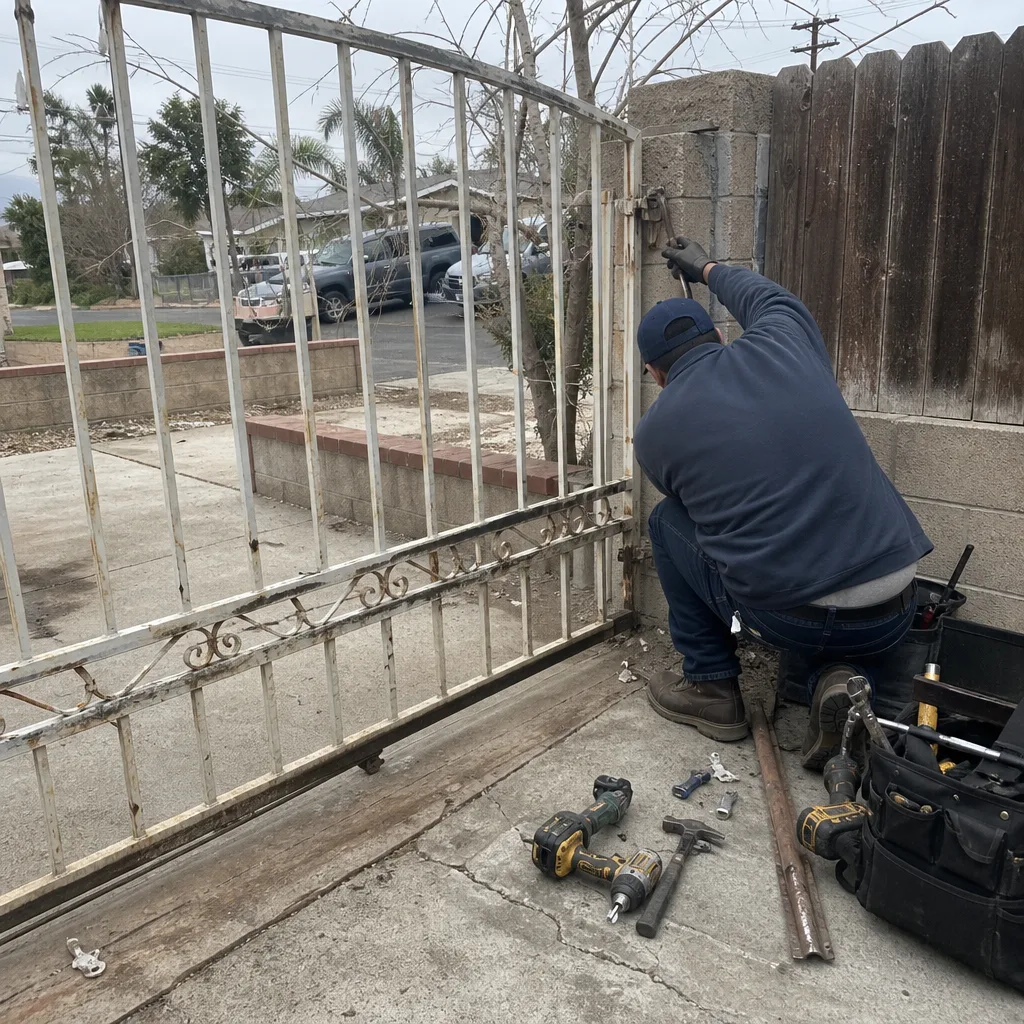 Before
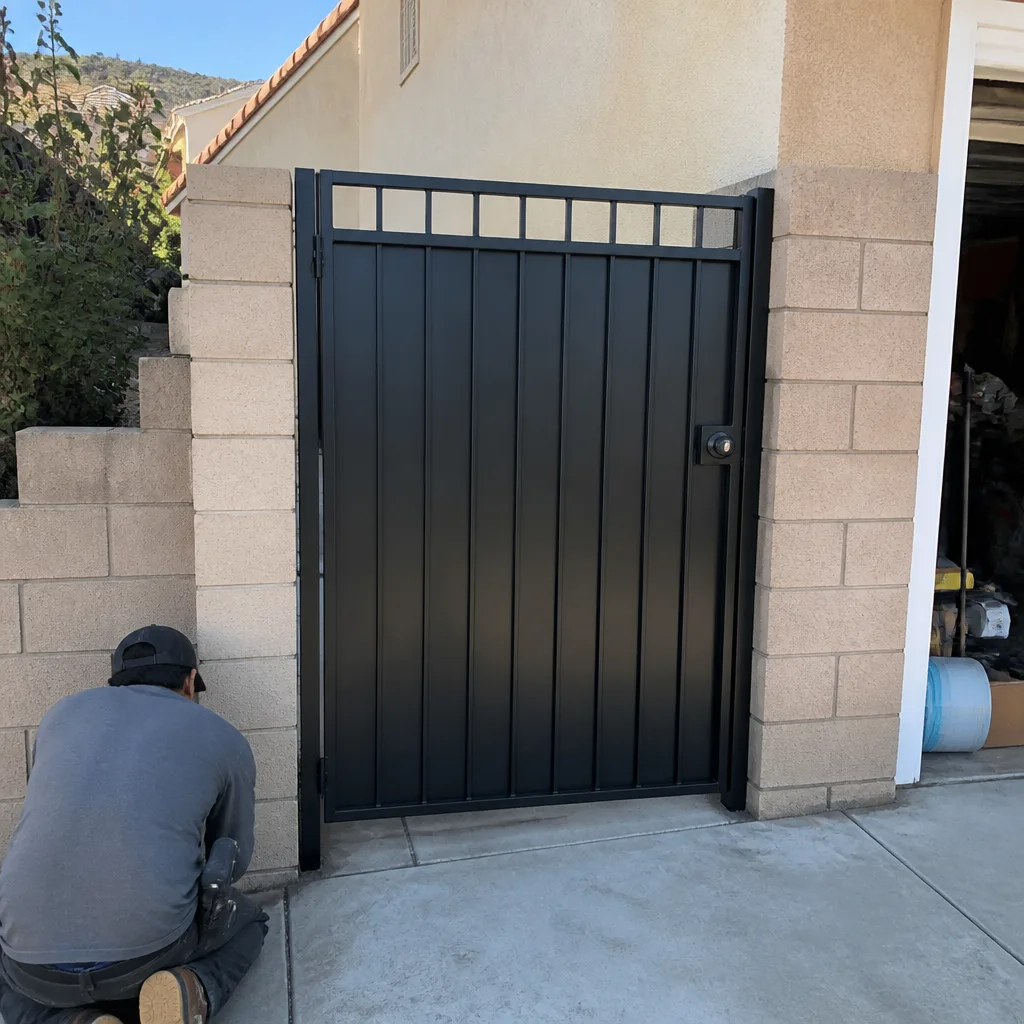 After
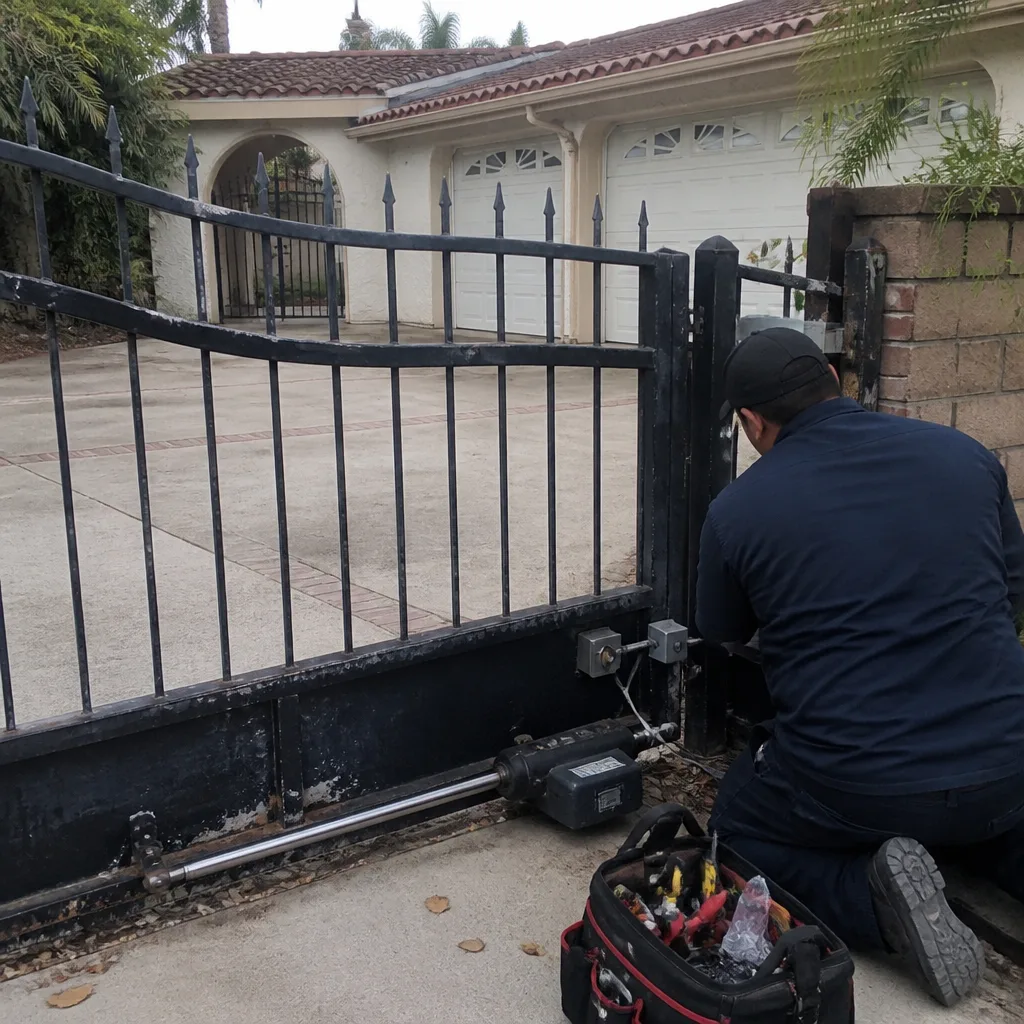 Before
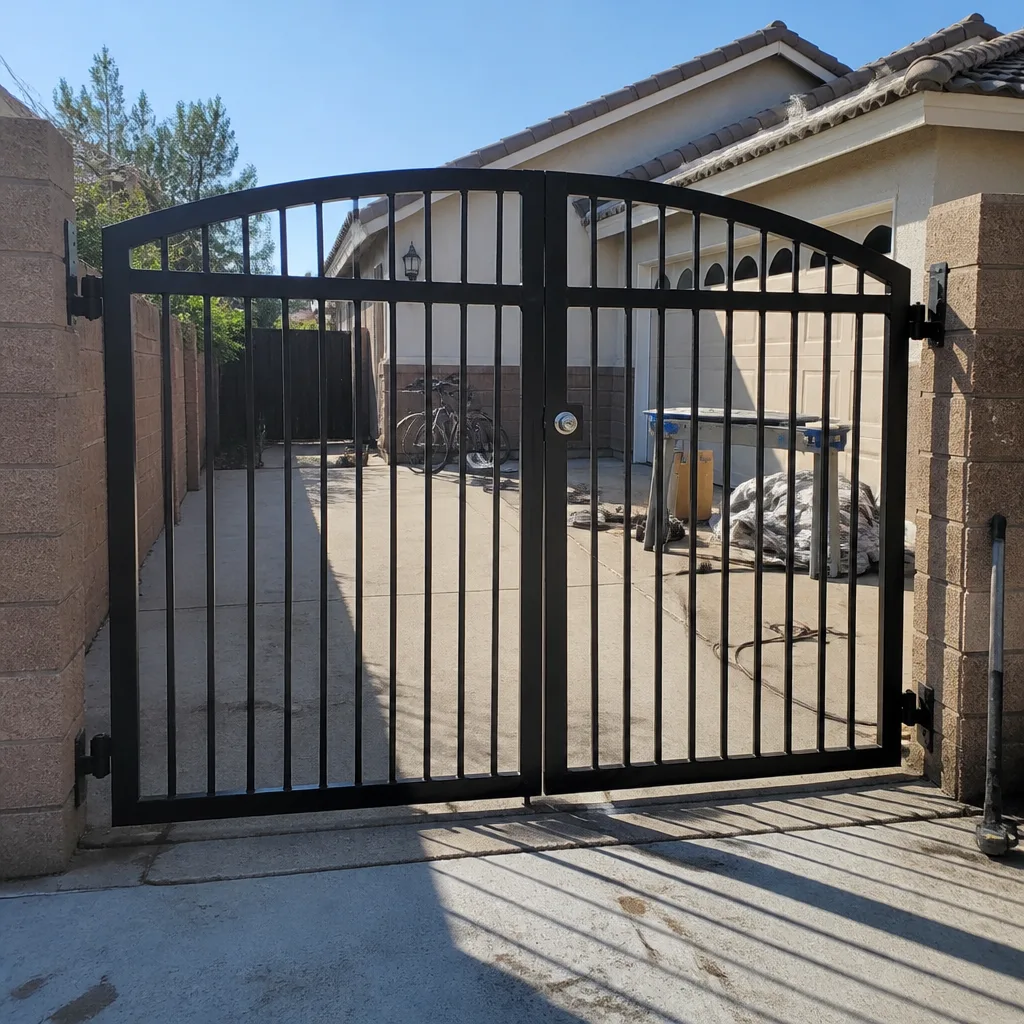 After
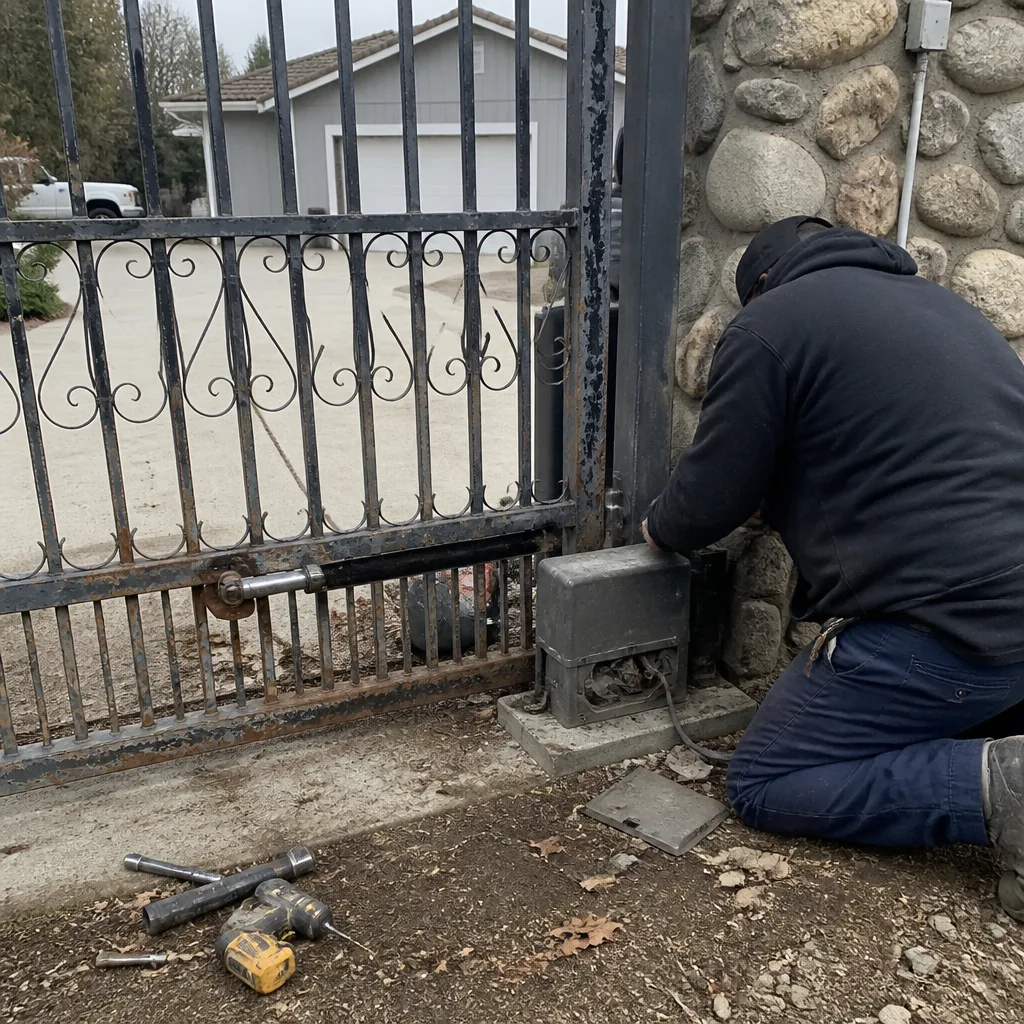 Before
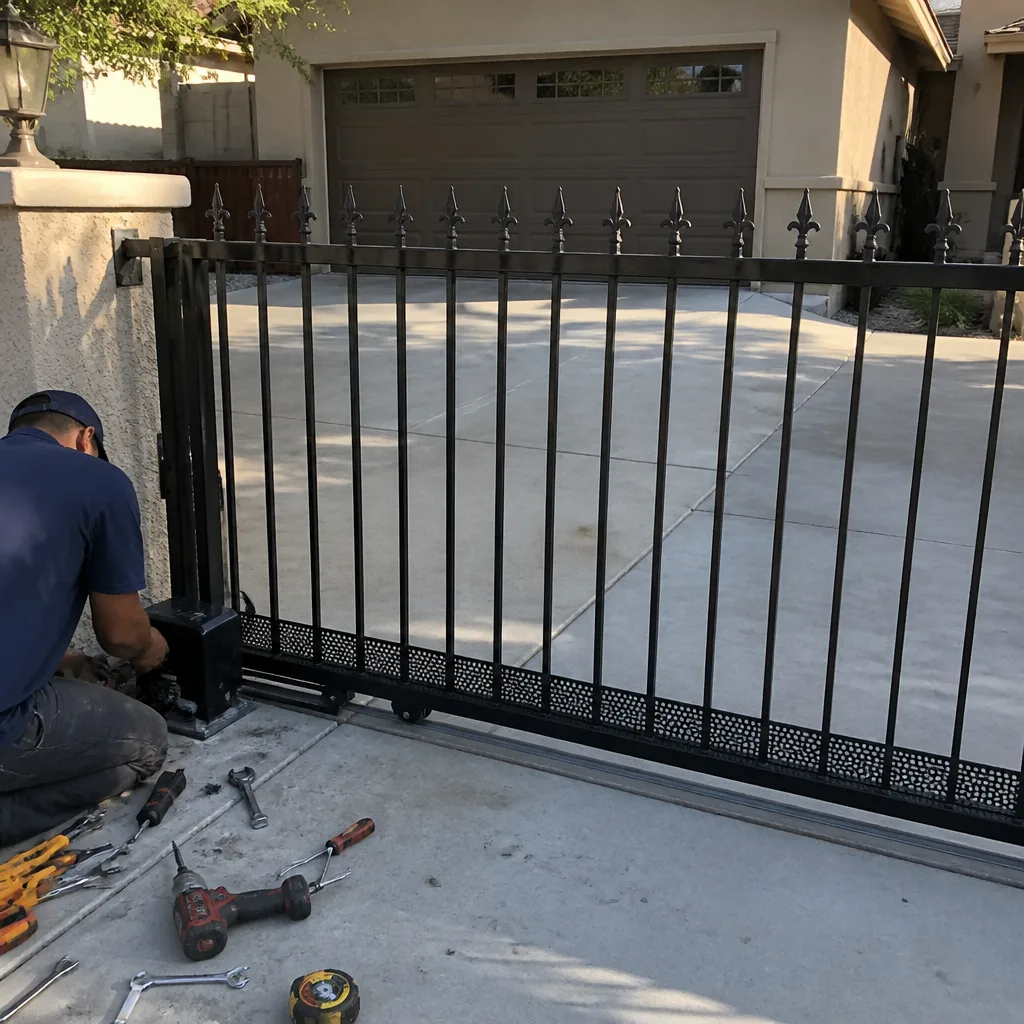 After
When to Call a Professional
You should call a gate professional when the manual release doesn’t free the gate, when the gate is stuck open and won’t close even manually, when you smell burning from the operator housing, when the gate moves erratically or reverses direction on its own, or when any safety feature, like a sensor or a safety edge, fails. These are not DIY repairs. A gate that’s behaving unpredictably is a liability, and a motor that’s burning is a fire risk. Baron Gate Repair offers free estimates in Corona, and with an Electric Gate Repair in Corona specialist, the goal is always a first-visit fix. If your gate has failed and you’re not sure whether it’s urgent, call (877) 752-1896 and describe what you’re seeing. We’ll tell you straight whether it’s an emergency or a scheduled repair, and we won’t dispatch a truck if you don’t need one.
Frequently Asked Questions
Emergency gate repair in Corona typically starts with an after-hours trip charge, which varies by company, plus an hourly rate for labor and the cost of any parts. The total depends on the failure: a simple limit switch replacement is far less expensive than a full control board swap on a premium European operator. Any reputable company will quote the trip charge and hourly rate over the phone before dispatching, and the repair price should be quoted and agreed before any work starts. Call (877) 752-1896 for a free estimate on your specific gate issue.
It depends on the failure and the time of day. Many mechanical problems, like a loose chain, a failed capacitor, or a limit switch requiring adjustment, can be fixed the same visit with parts already on the truck. Automation faults on certain premium brands may require a part that’s not locally stocked, in which case the technician can quote the exact part and timeline on the spot. For an accurate ETA, describe the failure precisely when you call, and send a photo of the operator if you can.
First, try the manual release. If you’ve located and tested it beforehand, you can disengage the motor and push the gate open by hand. If the manual release doesn’t work because the backup battery is dead and the electronic brake is holding the gate, cut power to the operator, then try the release again. If the gate still won’t move, call a gate specialist rather than forcing it. During Corona power outages, which happen during summer peak demand and Santa Ana events, a dead backup battery is the most common reason a manual release fails.
Gate operator replacement typically doesn’t require a building permit in Corona for residential properties, but new gate installations with electrical work or access control may fall under the city’s permitting requirements, particularly if there’s a new power run or significant concrete work. This is a question to discuss with your contractor, who should handle any permitting that’s required rather than leaving it to you. For details on local requirements, read our guide to Gate Repair Permits, Codes & Inspections in CA: What You Need to Know.
Baron Gate Repair works on nine major gate brands across residential and commercial lines, including LiftMaster, FAAC, BFT, Linear, Viking, Ghost Controls, DoorKing, Elite, and Mighty Mule. Whether it’s a Mighty Mule on a ranch gate or a FAAC on an estate entrance, the diagnosis starts with knowing the brand and model, not with a generic guess.
It’s an emergency if the gate is stuck open and you can’t close it manually, if the gate is stuck closed and you can’t exit with your vehicle, if there’s a burning smell, or if the gate is moving unpredictably on its own. A gate that opens but closes slowly, or a keypad that’s intermittent, can usually wait for regular scheduling. When in doubt, call and describe the symptom: a gate specialist can tell you in two minutes whether it needs immediate attention. Call (877) 752-1896 and we’ll help you assess it over the phone.
The Bottom Line
Gate emergencies in Corona are predictable, which means they’re preventable. The failures follow patterns: battery failures in summer heat, wind damage during Santa Ana events, dust-worn rollers, bound iron gates. A homeowner who knows the three emergency types, has tested the manual release, and documented the brand, model, and failure details has already solved 80% of the problem before a technician ever arrives. The remaining 20% is choosing the right contractor, which means a gate specialist who knows the brands, quotes upfront, and fixes the problem on the first visit. If you have a gate emergency in Corona, or if you want to prepare for one before it happens, visit the Gate Repair in Corona page for more details, or call (877) 752-1896 for a free estimate. If you’re already thinking about a new gate or operator, Gate Installation in Corona covers full-lifecycle options, and the Baron Gate Repair home page explains the gate-specialist approach in more depth.
Written by the team at Baron Gate Repair, serving Corona since 2017. Explore our more guides & resources for Corona homeowners.