
Last updated October 31, 2026
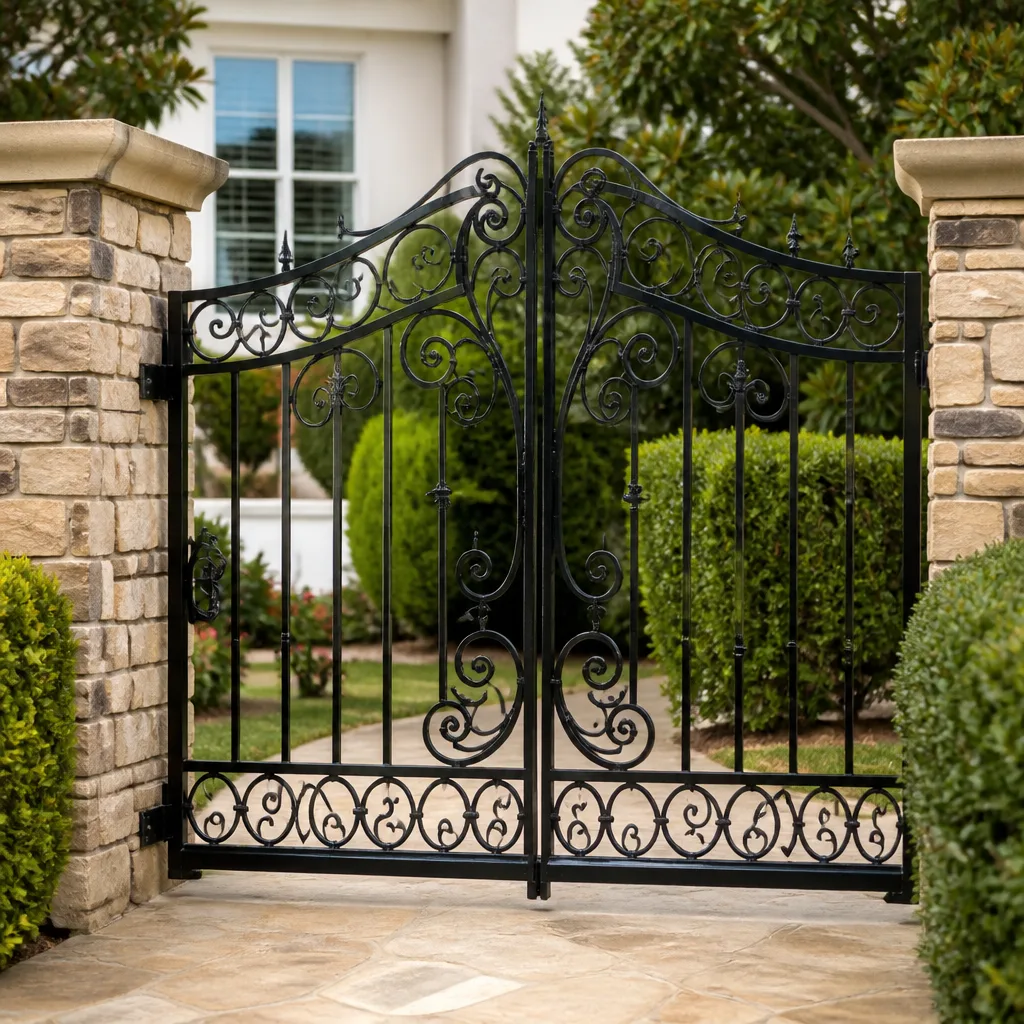 Wrought iron
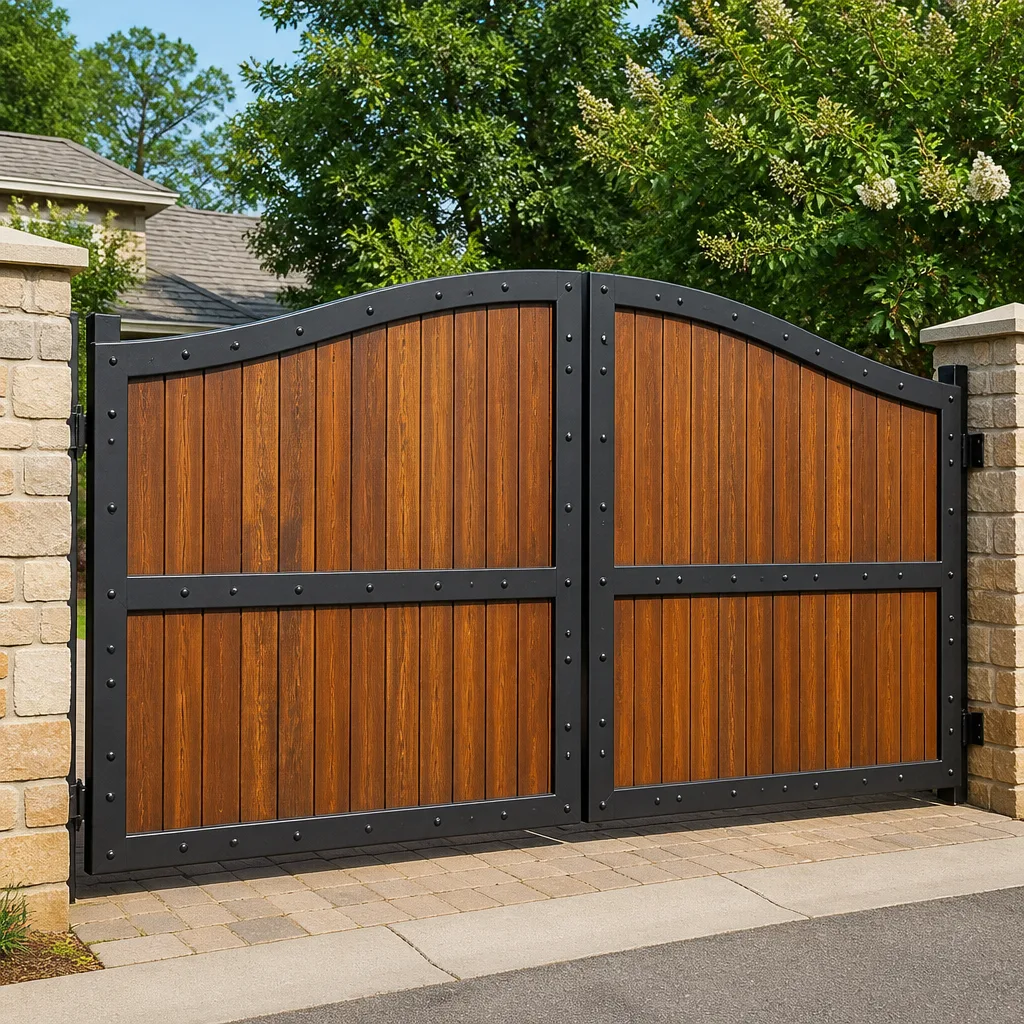 Wood & steel frame
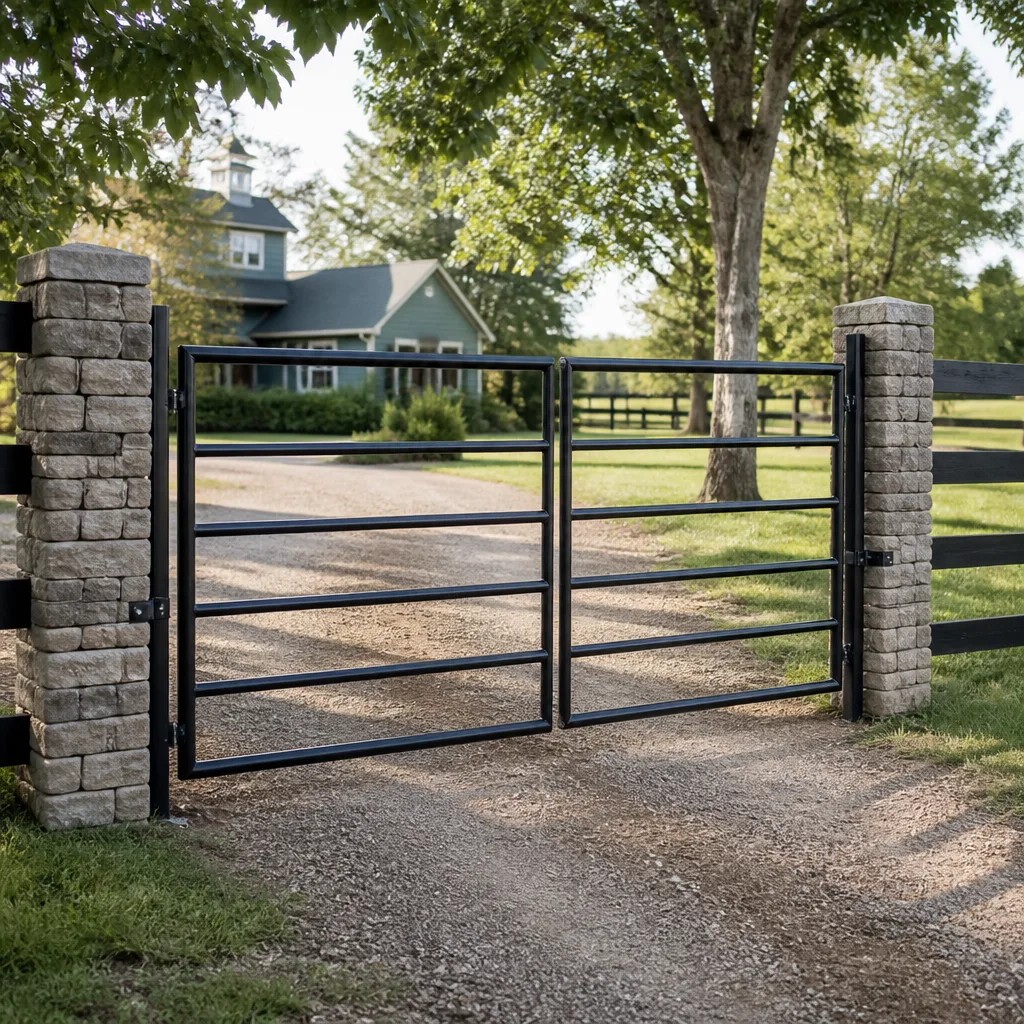 Farm & ranch
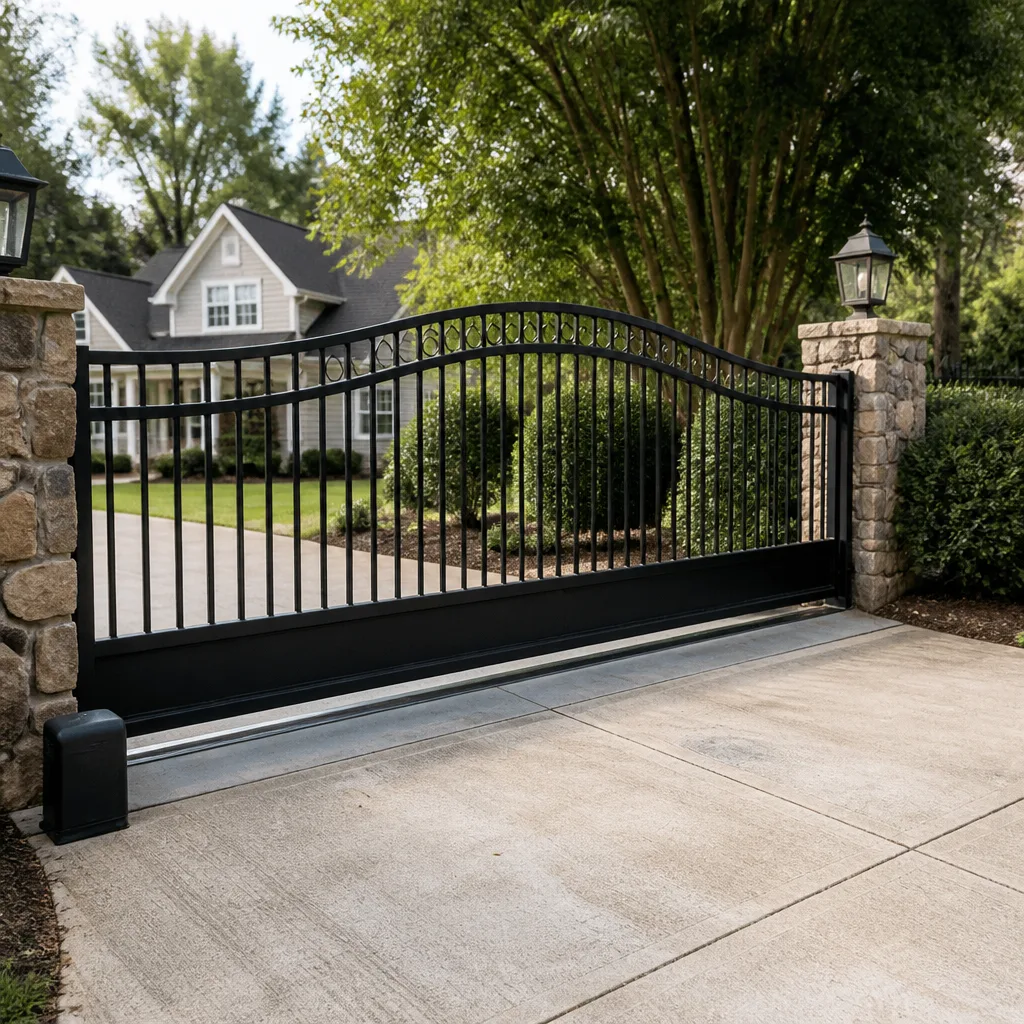 Sliding driveway gates
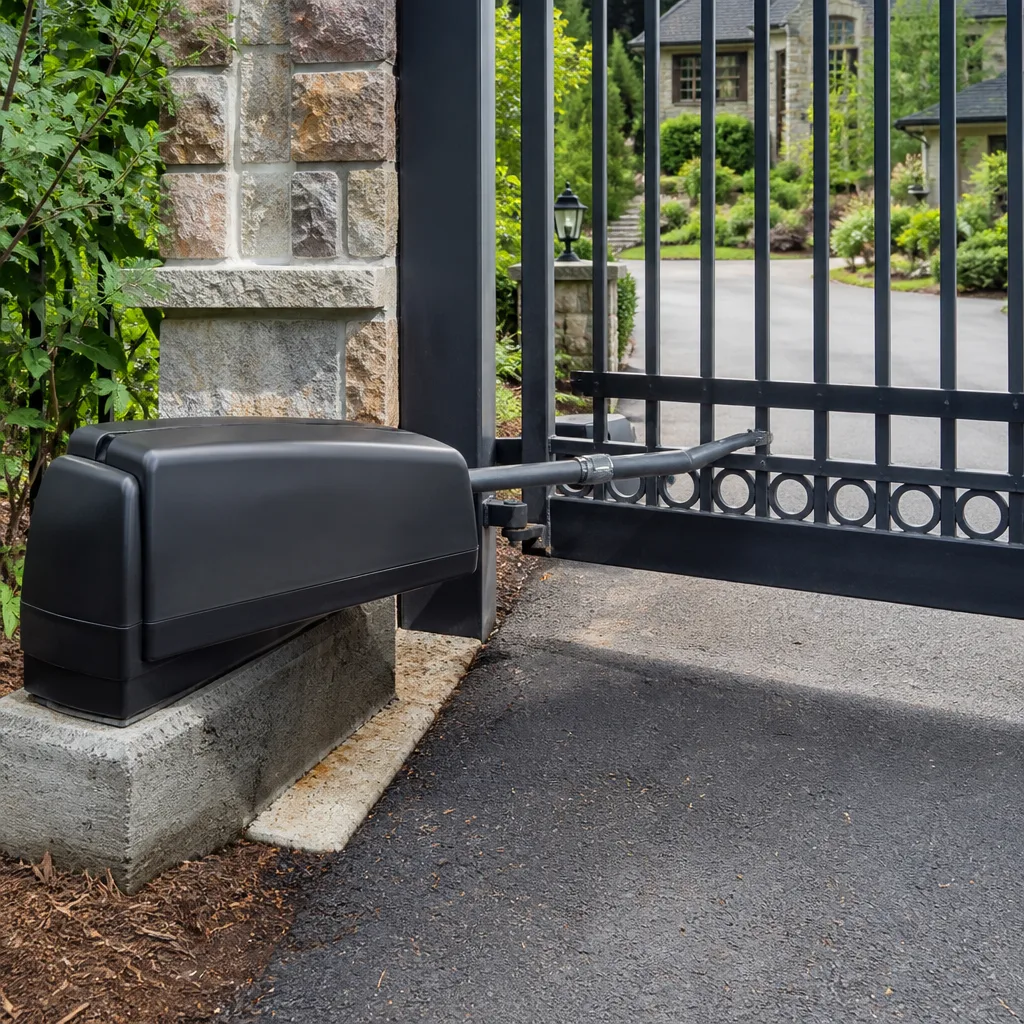 LiftMaster operators
Free on-site gate assessment - hinges, posts, and your LiftMaster or Nice gate operator checked before anything is quoted
The assessment is free and the quote is the invoice.
Get your free estimateGate Repair Maintenance Checklist for Corona Homeowners
Most gate maintenance checklists you’ll find online are written for everywhere and therefore nowhere. They tell you to “lubricate hinges in spring” but never mention that in Corona, a single Santa Ana wind event can deposit more abrasive grit into your gate track than Portland sees in a year. They say “check the operator in fall” but never account for the fact that when your driveway faces the afternoon sun off the Santa Ana Mountains, your control board can bake at 140°F inside its housing. This guide is different. It’s built entirely around what Corona’s specific climate, soil, and seasonal patterns actually do to gate hardware, and it’s written by people who service these gates every week in neighborhoods from Sierra del Oro to Eagle Glen. By the end, you’ll know exactly what to check, when to check it, and which tasks you should never attempt yourself.
Styles & brands we work with
Quick Answer
The core of gate maintenance in Corona boils down to this: clean and lubricate moving parts every 30 days during dry, dusty months (May through November), inspect and tighten hardware quarterly, and schedule a professional inspection of your operator, safety sensors, and control board twice a year, timed around the extreme heat of July and the first Santa Ana wind event of fall.
Table of Contents
- Why Corona’s Climate Is Harder on Gates Than Coastal Cities
- The Month-by-Month Maintenance Schedule for Corona
- Santa Ana Wind Season: The Dust and Grit Problem
- Torque and Tension: What You Can Safely Check vs. What Needs a Specialist
- The Lubrication Matrix: Which Product Goes Where
- Early-Warning Indicators to Log Between Professional Visits
- Common Mistakes to Avoid
- When to Call a Professional
- Frequently Asked Questions
- The Bottom Line
Why Corona’s Climate Is Harder on Gates Than Coastal Cities
We service gates across the Inland Empire, and we can tell you without hesitation: the same gate that runs flawlessly for five years in Huntington Beach will develop problems in Corona within two. The reasons are specific and measurable.
First, thermal expansion. Corona regularly sees summer days above 100°F, with spikes past 105°F. A steel gate that’s 12 feet wide will expand by roughly 1/8 to 1/4 inch between a 45°F winter morning and a 108°F summer afternoon. That doesn’t sound like much until you realize your gate’s limit switches are set to stop the gate at a precise point. When the gate expands, that stopping point shifts. The opener over-torques trying to reach the old setting. This is why so many Corona homeowners notice their gate “seems to struggle” every July. It’s not the motor wearing out. It’s the limits needing recalibration for the season. Most generic checklists never mention this because most checklist authors don’t live where it hits 108°F.
Second, the alkalinity of Corona’s soil. Much of this area sits on decomposed granite and clay soils that are slightly alkaline. As dust kicks up, especially from unpaved shoulders along Cajalco Road or during construction in newer developments, that dust settles on gate tracks, hinges, and operator housings. Alkaline dust is mildly corrosive to raw steel and accelerates wear on powder-coated finishes that are already micro-scratched. It’s not catastrophic week to week, but month after month, it grinds away at bearing surfaces.
Third, the UV load. Corona gets roughly 270 days of sun per year. On a black or dark-bronze gate, surface temperatures can reach 170°F in direct summer sun. That heat degrades wire insulation inside the operator housing, dries out seals, and fades powder coating faster than any coastal environment. We’ve replaced control boards in Corona that failed not from electrical issues but from years of heat-soak cooking capacitors until they bulged.
These conditions mean your maintenance schedule can’t be generic. It has to match the actual calendar of Corona weather events. Let’s get to that.
The Month-by-Month Maintenance Schedule for Corona
Here’s a maintenance calendar built around Corona’s real seasonal patterns. Most guides say “check in spring, check in fall.” That’s not enough here. This is what we recommend based on what we see in the field.
- January: Post-rain inspection. After winter storms, check for pooling water at the gate post bases, especially if you’re on a slope in the Corona hills. Standing water against steel posts accelerates rust. Check track drains (if your gate is a slider) and clear any debris the rain washed into the track. Lubricate hinges and rollers that rain may have stripped dry.
- February: Mid-winter hardware check. Temperatures are moderate, so this is the best time to do a thorough visual inspection without heat distorting anything. Walk the gate through a full cycle and listen for new squeaks or grinding. Check all visible fasteners. Tighten anything that’s loosened from winter temperature swings.
- March: Spring calibration month. As temperatures begin climbing, check the gate’s travel limits and force settings before the heat arrives. A gate that’s slightly out of calibration now will be badly out by July. This is also when wild grass and weeds start growing, so clear vegetation away from gate tracks and photo-eye sensors.
- April: Pre-heat lubrication. Apply lubricant to all moving parts before the dry heat sets in. Once the rain stops and humidity drops, your lubricant will last longer than it does in winter, so this application protects through the early summer.
- May: Dust season preparation. This is when Corona starts drying out. Dust becomes the primary enemy. Install or check brush seals on the bottom of swing gates and along slider tracks if you have them. These seals keep wind-blown grit out of bearing surfaces. Clean the operator housing vents with compressed air or a soft brush.
- June: First heat stress check. By now, daytime highs are regularly above 90°F. Feel the operator housing after a hot afternoon. If it’s too hot to hold your hand on for five seconds, the housing needs better ventilation or a shade shield. Overheated boards fail early. This is a common June service call for us.
- July: Peak heat calibration. This is the month when thermal expansion is at its worst. If your gate is a swing gate and it’s binding at the latch or scraping the post, the heat has expanded the gate leaf. Don’t run it repeatedly and overheat the motor. Get the travel limits and hinge clearances adjusted. We always see a spike in Corona gate repair calls in July, and most of them are thermal expansion issues that could have been caught in March.
- August: Irrigation awareness. If your gate is near sprinklers, check that irrigation overspray isn’t hitting the gate metal or the operator housing. Corona’s hard water leaves mineral deposits that are corrosive over time. Adjust sprinkler heads to avoid wetting the gate. Re-clean the operator vents; August dust and heat combine to clog cooling airflow quickly.
- September: Post-summer inspection. The worst heat is usually past by late September. Inspect the gate for any new wear from the summer expansion cycle. Check for hairline cracks in welds, especially on Cantilever slider gates. These cracks often start in summer and worsen in fall winds.
- October: Santa Ana preparedness. This is when the first major wind events hit Corona. Check all gate hardware for looseness and torque critical bolts. A gate that’s rattling in normal conditions will hammer itself apart in 60 mph gusts. Install or tighten any wind bracing your gate design calls for. Clear all vegetation from around the gate; dried plants become wind-blown projectiles.
- November: Post-wind inspection. After the first few Santa Ana events, inspect the track and rollers for sand infiltration. Blow out the operator housing and track with compressed air. Check that the gate is still level. High winds can shift a gate on its hinges, especially on wide double-swing designs.
- December: Rain and rust checklist. Before the winter rain pattern sets in, verify all weather seals on the operator housing are intact. Touch up any paint chips on the gate steel. Even small chips become rust spots after a few weeks of winter moisture. Check drainage around the gate posts and clear any leaf litter that will hold water against metal.
Santa Ana Wind Season: The Dust and Grit Problem
If there’s one thing that separates Corona gate maintenance from everywhere else, it’s the Santa Ana wind season. From roughly October through December, offshore winds blow from the high desert through the passes, picking up fine abrasive particulate along the way. This isn’t dust that settles gently. It’s grit that scours.
Here’s what that grit actually does to a gate system. First, it infiltrates the track on slider gates. The fine particles mix with whatever lubricant is present and create a grinding paste. Instead of the rollers gliding, they’re now bearing on a slurry that accelerates wear on both the roller bearings and the track surface. On powder-coated steel, this paste wears through the coating in high-contact areas within one full wind season if not cleaned.
Second, the grit gets pulled into the operator housing through the cooling vents. Inside, it coats the control board and the motor windings. On a hot October day, that dust layer acts as insulation, holding heat in. On a cool morning, it can absorb moisture and create conditions for corrosion on exposed electrical contacts. We’ve opened operator housings in Corona that had a quarter inch of fine dust caked over the capacitor. The capacitor can’t shed heat. It fails early. That’s a several hundred dollar repair that a five-minute monthly cleaning could prevent.
Third, wind-blown sand erodes safety sensor lenses. The photo-eye sensors that keep your gate from closing on a car or a child sit low to the ground, right in the grit path. Sandblasted lenses eventually become so pitted that the sensor can’t “see” correctly, and the gate may refuse to close, or worse, lose its obstruction detection. We replace more sensor lenses in Corona during November and December than any other time of year.
The cleaning interval that actually prevents premature wear during wind season is every 10 to 14 days, not monthly. Between October 1 and December 31, take five minutes to blow out the track with a leaf blower or compressed air and wipe the sensor lenses with a dry microfiber cloth. If you wait a month, the damage is already accumulating. This is one of the few maintenance tasks where frequency genuinely matters more than thoroughness.
For swing gates, the wind itself is the bigger risk. A double swing gate catches wind like a sail. If your gate doesn’t have positive stops that physically prevent over-travel, a strong Santa Ana gust can push the gate past its normal arc and bend the actuator arm or the hinge plates. Check after each major wind event that the gate still opens and closes fully without binding. If it does bind, the hinges or the actuator may have shifted. Don’t force it.
Torque and Tension: What You Can Safely Check vs. What Needs a Specialist
Here’s a truth most maintenance guides won’t tell you: some of the most important gate checks in Corona require tools and experience most homeowners don’t have, and some of what homeowners do try shouldn’t be attempted at all.
Checks you can safely perform:
- Visual inspection of hinge bolts and mounting plates. Look for any gap between the plate and the post, any rust staining around the bolt heads, or any sag in the gate leaf. On a swing gate, grab the gate at the latch end and lift. If you feel more than about 1/8 inch of vertical play, the hinges are wearing.
- Check the gate level on a slider. Stand at one end of the gate and sight down the top rail. If the gate visibly dips in the middle or at one end, that’s a problem. Minor level issues get worse fast under Corona’s heat cycling.
- Photo-eye alignment test. Most sensors have a small LED indicator. Block the beam with your hand and check that the light changes state. If it doesn’t, the sensor is out of alignment, dirty, or failed.
- Listen for changes in the motor’s sound. A healthy opener has a consistent tone. A motor that’s laboring, pulsing, or making a grinding sound is telling you something. Write down what you hear and when.
Checks that need a specialist’s tools and experience:
- Torque verification on the main hinge bolts and the gate mount bolts. These bolts are typically torqued to specific values (often 80-120 ft-lbs on residential swing gates, higher on sliders). An under-torqued bolt lets the gate shift. An over-torqued bolt can crack a concrete post or strip the threads. You need a torque wrench and the manufacturer’s spec for your exact gate. Guessing is how posts get cracked.
- Chain or belt tension on slide gate operators. Too tight and you overload the gearbox. Too loose and the chain skips teeth under load, which can actually cause the gate to free-run. The correct tension is measured in specific deflection at a specific force. It’s a five-minute adjustment with the right tools and an infection point for bigger problems without them.
- Spring tension on counterbalanced gates. Some larger swing gates use torsion springs to reduce the load on the operator. These springs are under significant tension. Adjusting one incorrectly can cause the spring to release suddenly. This is not a “figure it out as you go” scenario. A gate specialist can check spring tension and replace worn springs safely.
- Force setting verification on the operator. Gates should be set to exert just enough force to move the gate, with a margin for age and weather. Too much force is a safety hazard. Too little and the gate faults out. The correct setting depends on the gate’s weight, the wind load, and the operator’s specifications. We use a force gauge on service calls to set this precisely. Guessing from the manual gets you close, but not right.
If you have a Corona electric gate, the most dangerous component is the spring or counterweight system, not the motor. The motor is low voltage. The spring can kill you. Don’t touch it.
The Lubrication Matrix: Which Product Goes Where
The single most common mistake we see from homeowners in Corona is using WD-40 on gate components. WD-40 is a water displacement solvent. It’s not a lubricant. It’s not a protectant. It flashes off in high heat, which Corona has in abundance, and it leaves behind a thin residue that actually attracts dust. In the Inland Empire, WD-40 on a gate hinge is a dust magnet that will have that hinge grinding within two weeks.
Here’s what actually belongs on each component:
- Hinge pins and pivot points on swing gates: Use a white lithium grease or a heavy-duty synthetic grease. Lithium grease sticks, resists washout, and handles high pressure. Apply it with the gate in the fully open position so you can get it into the bearing surface.
- Rollers and track on slider gates: This one depends on your roller type. If your rollers are sealed bearings, they don’t need lubrication at all, and adding grease just creates a dust trap. Keep the track clean and dry instead. If your rollers are unsealed, light machine oil (3-in-1 or similar) applied sparingly is the right call. Never grease a track; it becomes a grinding paste trap during Santa Ana season.
- Chain drives on slide gate operators: Use a chain-specific lubricant or gear oil applied lightly. Most chain drive operators have a covered chain that protects it from dust. Lubricate the chain once in spring and once after the first Santa Ana event, not monthly. Over-lubricating a chain in Corona just creates sludge.
- Actuator arms and screw drives: Check the manufacturer’s recommendation. Most screw-drive actuators (common on FAAC and BFT swing gate systems) require a specific grease that’s formulated for the screw material. Using the wrong grease can cause binding or accelerated wear on the screw threads. If you don’t have the manual, leave this to a technician.
- Gate track on cantilever sliders: Keep it clean and dry. No lubricant. Cantilever tracks work by rolling friction between steel rollers and the track. Grease here is counterproductive.
- Latch mechanisms and keypads: Use a dry graphite lubricant or a clear silicone spray. Never use grease on a lock cylinder; it will gum up with dust and seize. For the external keypad, a small shot of silicone spray protects the buttons from UV and moisture.
The general rule for Corona: less lubricant, more frequently. A light application every 4-6 weeks during dust season beats a heavy application twice a year. And whatever you use, use it sparingly. Excess lubricant in a dusty environment is worse than no lubricant at all.
For automated gates specifically, whether you’re running a Mighty Mule on a ranch gate or an installed LiftMaster system, the same rule applies. Clean first, then lubricate minimally, then wipe away excess. Always.
Early-Warning Indicators to Log Between Professional Visits
One of the highest-value habits you can build as a Corona homeowner is keeping a small maintenance log for your gate. Not a spreadsheet with 40 fields; just a note on your phone with the date and one line about what you noticed. This is because gates rarely fail suddenly. They fail gradually, and the earliest signs are easy to dismiss in the moment because each individual change is small.
Here’s what to write down. These are the exact things we look for when we’re doing a Baron Gate Repair home service call, and they’re the same things that tell us whether this is a maintenance issue or a developing failure.
Sound changes. If the gate used to be quiet and now it makes a rhythmic clicking, a scrape, or a moan, that’s diagnostic. A rhythmic click on a chain drive usually means a stiff link or a worn sprocket tooth. A scrape on a swing gate usually means hinge wear or a shifted gate leaf. Write down when you first heard it and whether it’s getting louder. We can use that timeline to pinpoint the cause faster.
Speed changes. Does the gate move slower now than it did six months ago? That’s often a sign of increased resistance, which could be a bearing going dry, thermal expansion causing binding, or a failing capacitor in the operator. A gate that’s 10% slower is still working, but it’s not going to get better on its own. Log it.
Wind-triggered faults. During Santa Ana season, if the gate intermittently reverses or stops partway through its travel, especially on gusty afternoons, write down the date and approximate wind conditions. We see wind-load faults often, and knowing whether the gate only faults in wind tells us the force settings need adjusting for your specific wind exposure.
Battery status (for solar and backup systems). Many Elite and Ghost Controls systems in Corona use solar panels and batteries. If you notice the gate moving slower in the morning or failing to respond after a cloudy stretch, the battery may be weak. Log every time this happens. Battery failures present as intermittent problems that are frustrating to diagnose later.
Remote range changes. If your remote works at 30 feet one week and only at 10 feet the next, something changed. It could be antenna damage, interference from a new solar installation next door, or a control board issue. Range that narrows slowly over months is usually a board-level problem. Log it.
These notes turn a 15-minute professional service visit into a targeted diagnostic session instead of a “hunt around and hope” visit. For Gate Repair Troubleshooting: Common Problems and How to Fix Them, check our detailed guide. Your technician can use the timeline to spot trends: a hinge that’s been getting noisier for three months is a known issue, not a mystery.
Common Mistakes to Avoid
- Using WD-40 on hinges and tracks. It’s a solvent, not a lubricant, and it attracts Corona grit like nothing else. One application in October and you’ll be grinding metal by November.
- Ignoring the July thermal expansion problem. When the gate starts binding in peak summer heat, many homeowners assume the gate is “worn out” and start shopping for a replacement. In most cases, it’s a limit and clearance adjustment that costs a fraction of a new gate.
- Over-tightening hinge bolts. We see cracked concrete posts in Corona from homeowners cranking on hinge bolts. Torque specs exist for a reason. Overtightening can do more damage than leaving it loose.
- Lubricating the track on a slider gate. Greasing a slide gate track is one of the worst things you can do in a dusty environment. Keep that track dry and clean. The rollers may need lubrication, but the track never does.
- Skipping the post-Santa-Ana inspection. After a major wind event, the gate may look fine but have shifted hardware, sand-filled tracks, or a pitted sensor lens. If you only check the gate “when it stops working,” you’re already behind.
- Forcing a gate that’s binding. If the gate doesn’t move freely, continuing to run the operator heats up the motor, stresses the gearbox, and burns out capacitors. Disengage the operator and address the cause before letting it cycle again.
- Painting over rust without treating it. A quick coat of spray paint over a rust spot looks fine for a month, then the rust blooms underneath and the paint pops off. In Corona’s alkaline dust environment, rust needs neutralization first, then priming, then paint. Otherwise you’re just decorating the problem.
When to Call a Professional
Some gate issues are truly DIY-friendly. Cleaning a track, wiping a sensor lens, and tightening visibly loose screws are all reasonable homeowner tasks. But there are situations where continuing to troubleshoot on your own is the most expensive path, because the time you spend guessing is time when the underlying problem is getting worse.
Call a professional if the gate is making any grinding or metallic scraping noise (that’s not dirt, that’s metal on metal), if the gate is refusing to close or reversing unexpectedly (safety sensor failure isn’t an annoyance, it’s a hazard), if you smell burning or see scorch marks near the operator, if the gate post has visible cracks or the gate is sagging enough that it drags on the ground, or if you have a chain-driven operator that’s skipping or jerking. Before calling, review Gate Repair Permits, Codes & Inspections in CA: What You Need to Know to understand requirements.
Baron Gate Repair offers free estimates in Corona, and our entire focus is gate work. We work on the brand you already have, whether that’s a Mighty Mule on a side gate or a FAAC on an estate entrance in Sierra del Oro. Call (877) 752-1896 and we’ll come out, diagnose it, and tell you exactly what it needs.
Frequently Asked Questions
During Corona’s dry months, roughly May through November, lubricate moving parts every 4 to 6 weeks. During the Santa Ana wind season, switch to a minimal lubricant application every 10 to 14 days, focused on keeping grit out of bearing surfaces rather than adding more product. One light application beats one heavy one in this climate.
The binding you feel during hot afternoons is thermal expansion. Corona regularly hits 105°F, and at that temperature, a steel gate expands enough to shift its clearances and fight its own travel limits. This is a calibration issue, not a sign that your gate needs replacing. A technician can adjust the travel limits and clearances so the gate operates correctly across the full seasonal temperature range.
No. WD-40 is a water displacement solvent, not a lubricant. It’s too light to protect bearing surfaces, and in Corona’s dry dusty environment it acts as a dirt magnet that turns into a grinding paste. Use white lithium grease on hinges, light machine oil on unsealed rollers, and a dry lubricant on lock cylinders. Keep the track completely dry.
The most common cause is blown dust infiltrating the operator housing or the track, combined with wind pressure forcing the gate out of alignment. The dust causes electrical faults on the control board or sensor lens, while the pressure can shift a swing gate’s actuator or a slider’s rollers. After major wind events in Corona, clean the track, blow out the operator vents, and check for anything that shifted. If the gate still faults, call us for diagnosis.
Professional gate maintenance in Corona typically includes a comprehensive inspection, cleaning, lubrication, limit and force verification, and minor adjustments. Every quote is provided before any work starts, so you’ll always know the cost up front. For an exact quote on your specific gate, call (877) 752-1896 and we’ll provide a free estimate.
General handymen can handle basic visual checks, but automated gate systems involve force settings, travel limits, safety sensors, and control boards that are brand-specific. A misdiagnosed sensor or a wrongly calibrated opener creates a safety risk for anyone using the gate. We work on nine major brands including LiftMaster, FAAC, and Elite, and that brand familiarity means we diagnose correctly the first time instead of swapping parts until something works. For more guides & resources, explore our blog.
The Bottom Line
The gate on your Corona property is fighting a three-front war: extreme heat in summer, abrasive grit in fall, and rain-driven corrosion in winter. If you run a seasonal maintenance cycle that matches those realities instead of a generic spring-fall schedule, most gates will run for years with nothing more than minor adjustments. Clean the tracks and sensors every two weeks during Santa Ana season, lubricate sparingly and often, log the warning signs as they appear, and don’t touch anything under spring tension or requiring a torque spec. The rest is knowing when to call someone who does this work every day. We’re at (877) 752-1896 whenever that time comes.
Written by the team at Baron Gate Repair, serving Corona since 2017.
See the difference
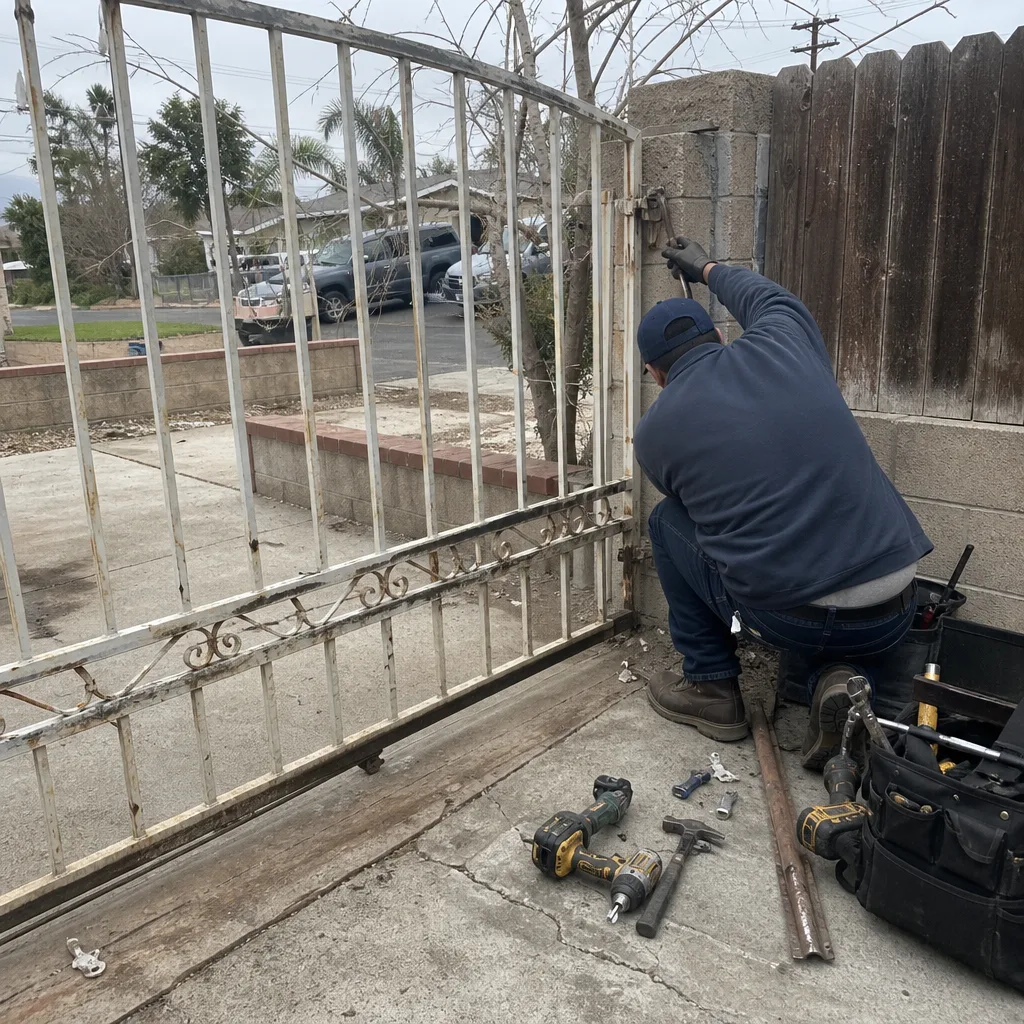 Before
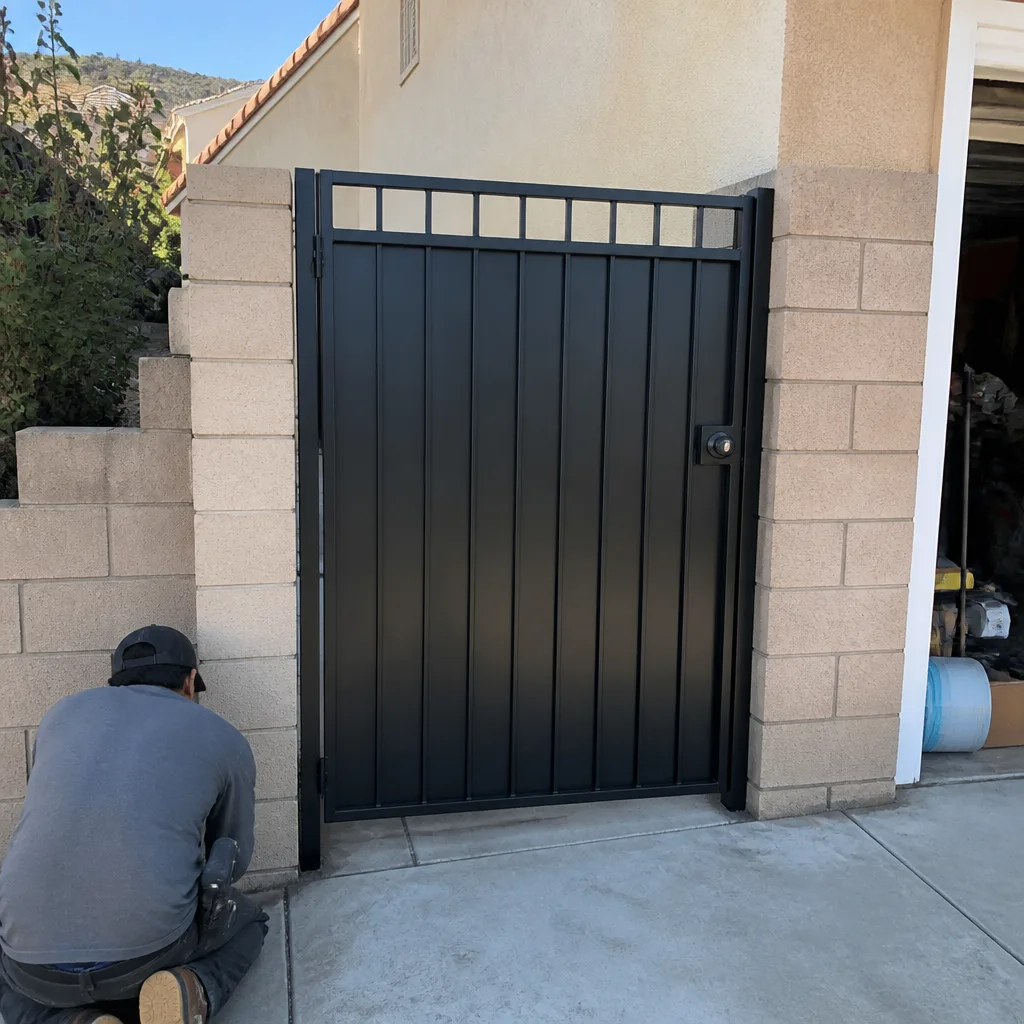 After
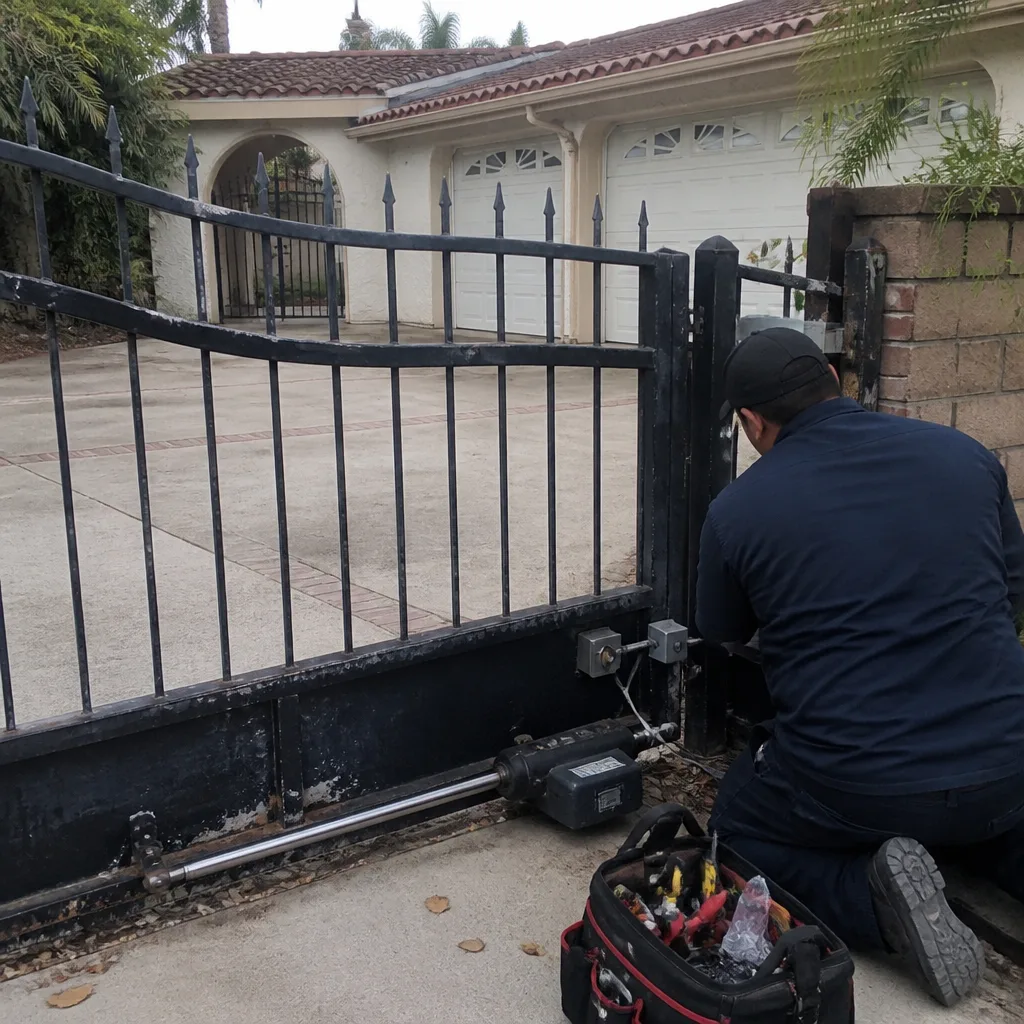 Before
 After
 Before
 After