Last updated October 31, 2026
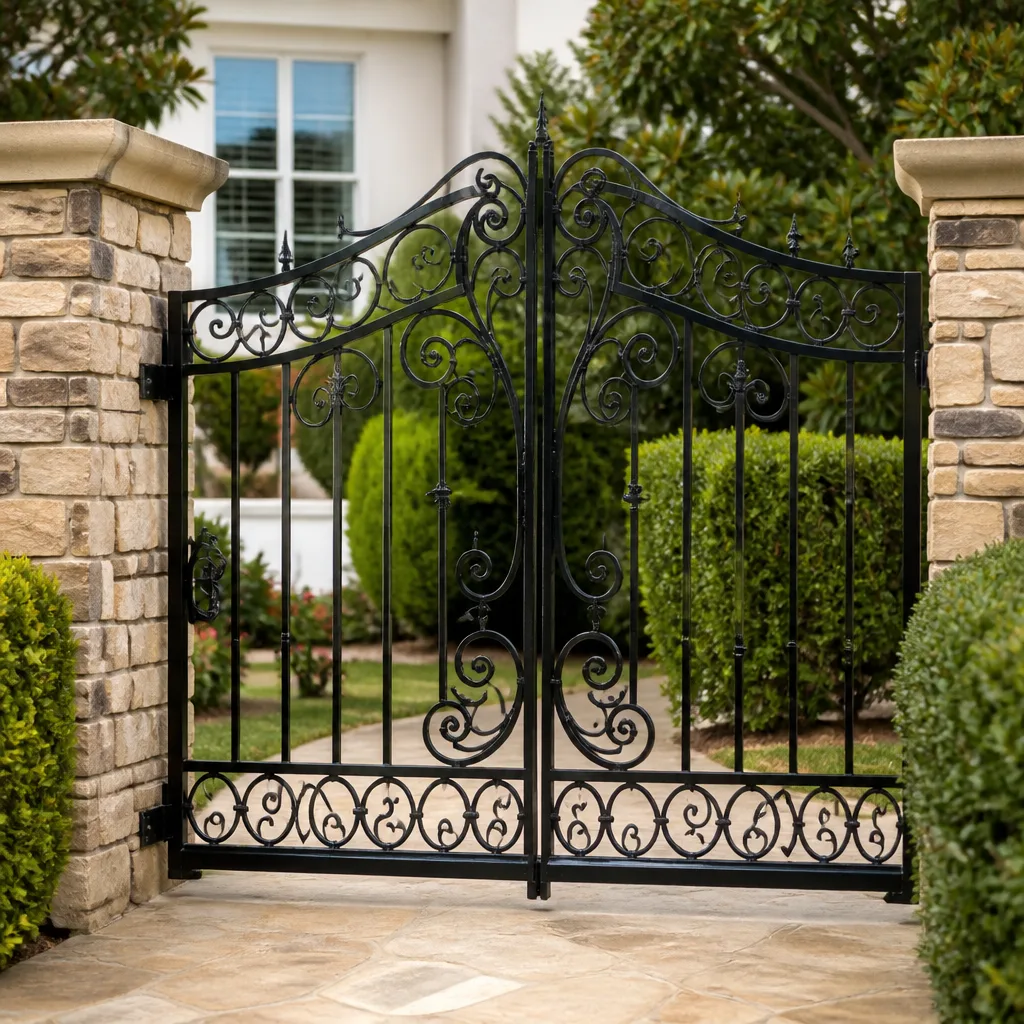 Wrought iron
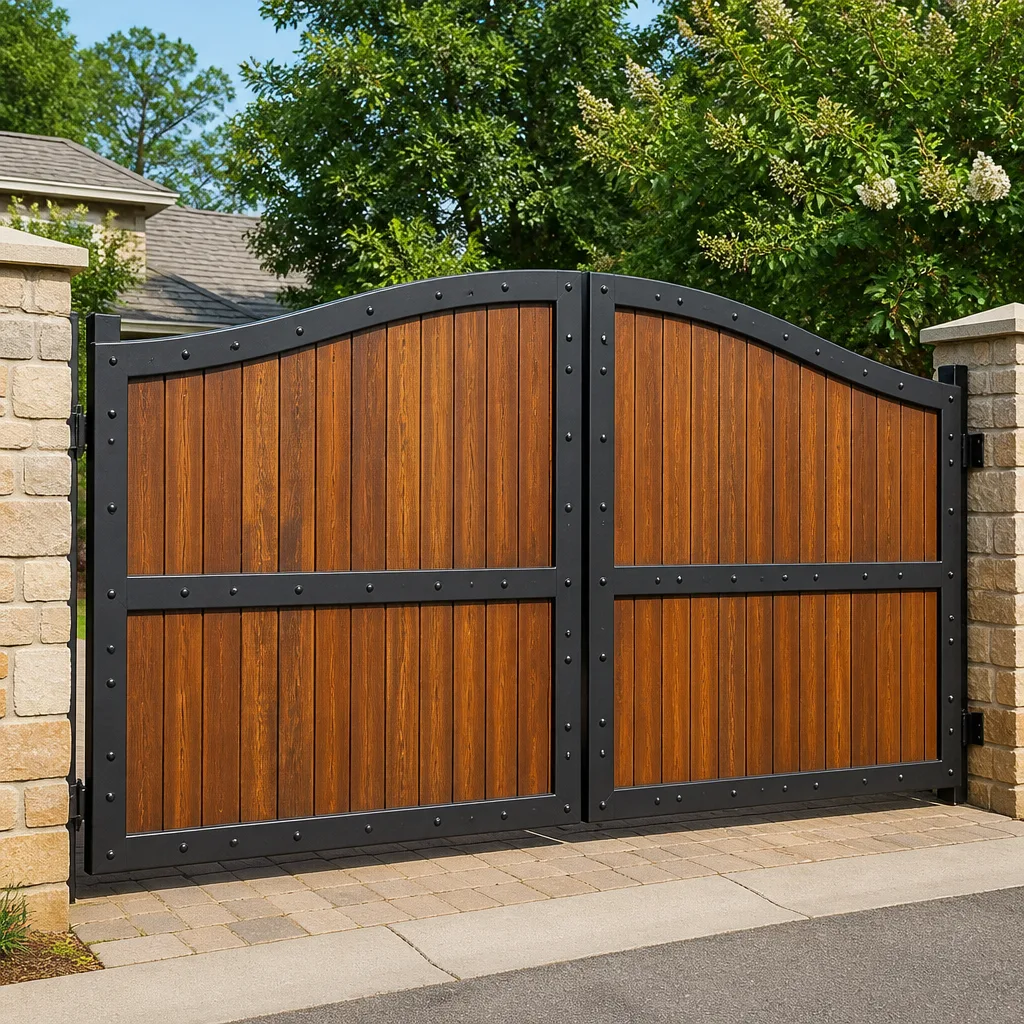 Wood & steel frame
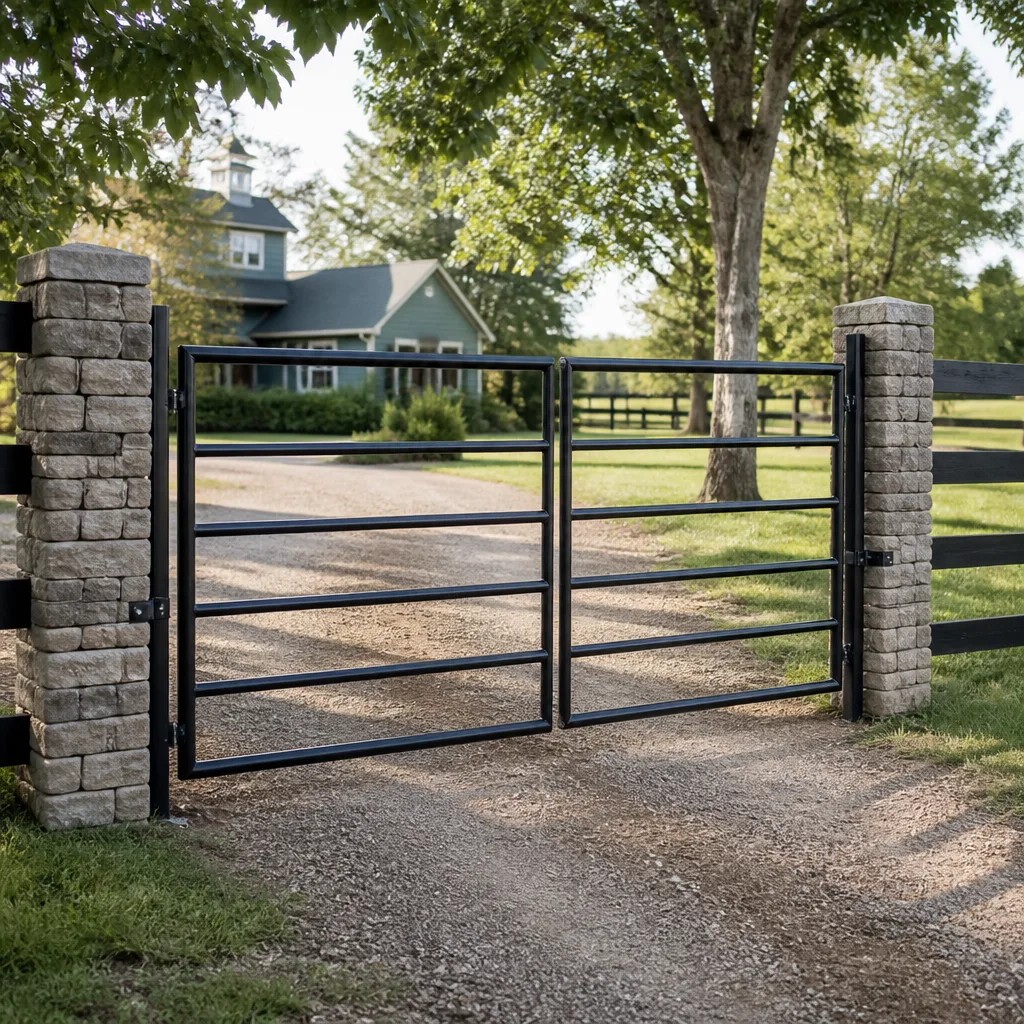 Farm & ranch
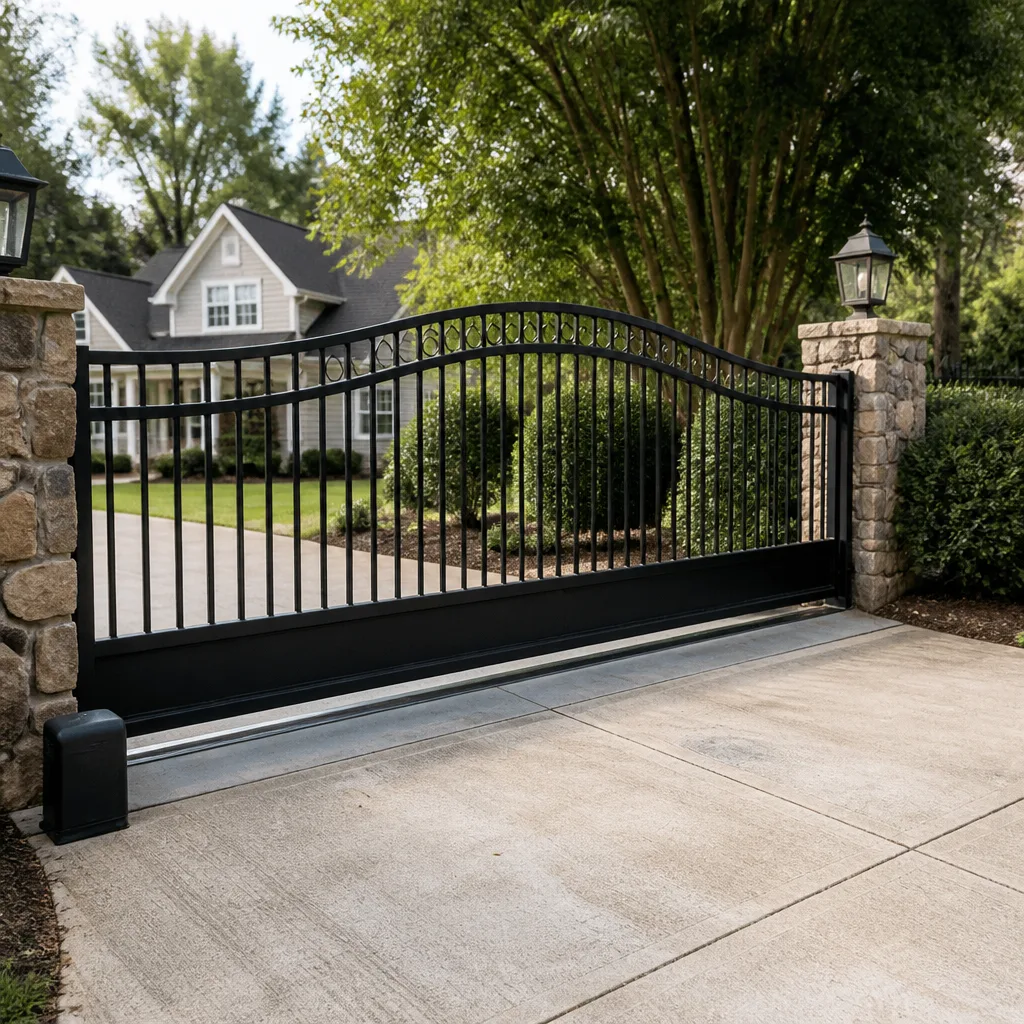 Sliding driveway gates
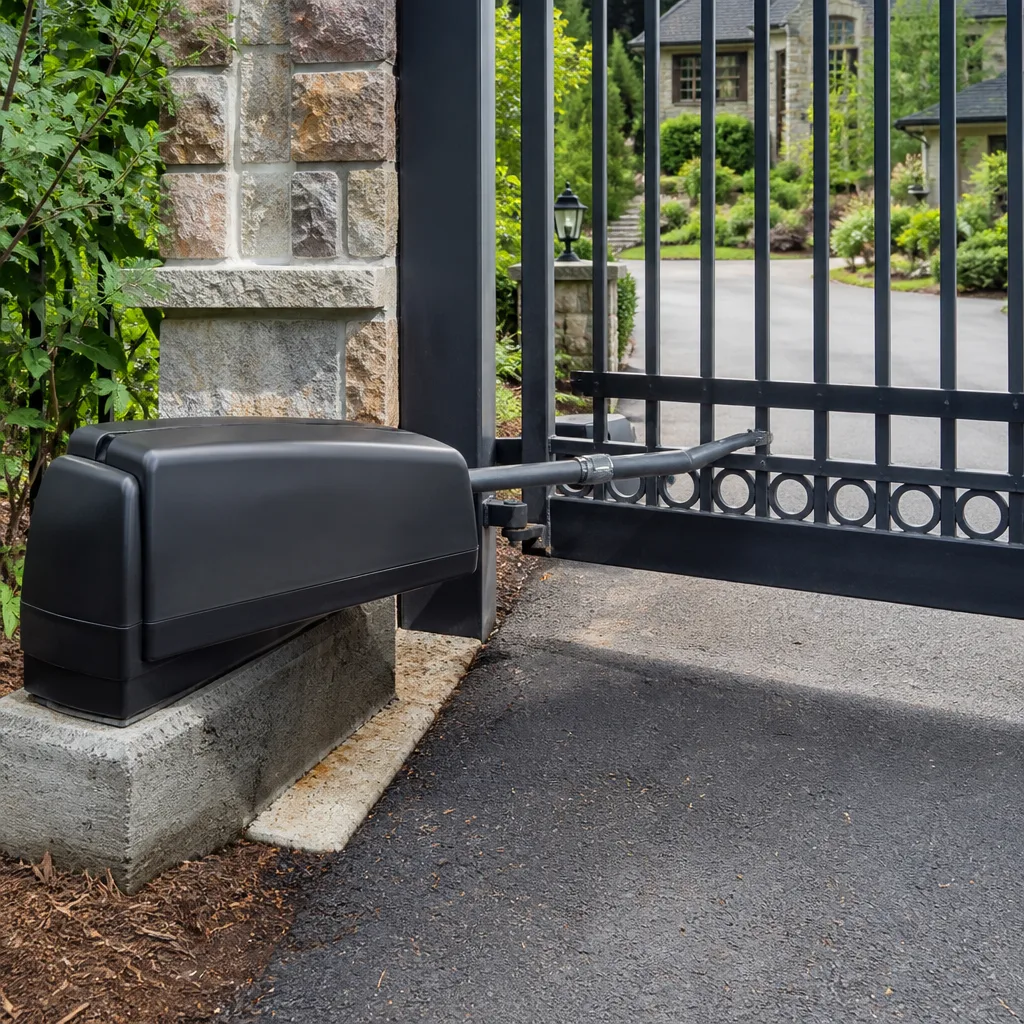 LiftMaster operators
Free on-site gate assessment - hinges, posts, and your LiftMaster or Nice gate operator checked before anything is quoted
The assessment is free and the quote is the invoice.
Get your free estimateChoosing the Right Gate Repair Brand: A Buyer’s Guide for Corona
Here’s a truth most gate contractors won’t volunteer: the brand name on your operator matters less than whether it was the right pick for your gate’s weight, how often it cycles, and how stable your power is. In Corona, where hillside homes push gates to their limits and summer heat bakes every exposed component, choosing wrong means repeated failures and a repair bill that never quite ends. This guide breaks down the brands we actually see in Corona, which ones hold up, and how to spot a contractor who’s matching you to the right equipment versus one pushing whatever earns them the highest margin. For hands-on help, see our Gate Repair services.
Styles & brands we work with
Quick Answer
The right gate repair brand in Corona depends on four specs: your gate’s weight and type, daily cycle count, power reliability at the site, and the local availability of service parts. LiftMaster and FAAC dominate residential and estate installations respectively, Viking and DoorKing are the standard for commercial access control, and Mighty Mule works for light ranch gates. The best brand is the one matched to your actual gate, not the one a contractor recommends by default. For deeper reading, check out The Complete Gate Repair Guide for Corona Homeowners.
Table of Contents
- The Four Spec Variables That Should Drive Brand Selection
- Frank Brand Comparison: What Actually Gets Installed in Corona
- Why Parts Availability in the Inland Empire Matters More Than Brand Prestige
- How to Evaluate a Contractor’s Brand Recommendation
- Hardware That Holds Up to Corona’s Heat and Dust
- The Real Cost Picture: Brand vs. Labor vs. Longevity
- Common Mistakes to Avoid
- When to Call a Professional
- Frequently Asked Questions
- The Bottom Line
The Four Spec Variables That Should Drive Brand Selection
Before you pick a brand, you need to know your gate. Not vaguely. Specifically. In our experience across Corona, most mismatched installations come from skipping this step entirely. A gate that worked fine for a decade on the old operator can destroy a new one in six months if the specs don’t line up.
1. Gate Weight and Type
A single swing gate that weighs 250 pounds needs a completely different operator than a 900-pound dual swing gate. Slide gates are different again. This is the single most common failure point we see in Corona: an operator rated for light residential use bolted onto a heavy iron gate. The motor burns out, or the gearbox strips, or the circuit board overheats and dies. Brands like FAAC and BFT build operators with real torque ratings and duty cycles meant for heavier loads. Mighty Mule and Ghost Controls build capable units for lighter gates, but install one on a heavy wrought-iron estate gate and it won’t last.
2. Daily Cycle Count
How many times does your gate open and close in a normal day? For a single-family home, maybe 10 to 20 cycles. For a rental property, an HOA entrance, or a small business in Corona with constant traffic, it could be 100 or more. Commercial-grade operators from Viking and DoorKing are built for continuous duty. Residential operators from LiftMaster or Elite are not. If your gate cycles more than 50 times per day, you need a commercial-rated unit regardless of what your property looks like. Pushing a residential operator into commercial duty is a guaranteed way to buy a replacement every 18 months.
3. Power Reliability at the Site
Corona has hillside neighborhoods, canyon lots, and areas where power flickers whenever the Santa Ana winds kick up. If your gate loses power regularly, you need an operator with a reliable battery backup system, and you need to know whether the brand you choose supports a backup that actually runs the motor under load, not just powers the control board. In our experience, lift-swing operators with proper battery backup handle Corona’s power instability far better than cheap actuators that assume stable grid power. Ask about backup duration in real operating conditions, not just standby time.
4. Budget for Service Parts Availability in the Inland Empire
Every brand eventually breaks. When it does, the part you need needs to be available. Some brands have dense, local distribution networks that mean a replacement control board or limit switch can be sourced same-day in the Inland Empire. Others require waiting on a shipment from a regional warehouse, or worse, a factory order. This matters more than the brand’s reputation. A prestigious European operator that takes three weeks to get a proprietary part is a worse choice in Corona than a workhorse brand with a part on the shelf at a local supplier.
Frank Brand Comparison: What Actually Gets Installed in Corona
We service nine major gate brands across residential and commercial lines, so we see what actually holds up in Corona’s conditions and what doesn’t. Here’s the honest breakdown by use case, not marketing tier.
LiftMaster: The Residential Workhorse
LiftMaster is the most common residential gate operator we see in Corona, and for good reason. Parts are widely available, the design is proven, and for a typical single-family swing gate under 500 pounds, a properly matched LiftMaster will run for years with basic maintenance. The weakness is heavy-duty applications and high cycle counts. Push a LiftMaster past its rated duty and the gearbox will let you know.
Viking: The Commercial Standard
Viking builds operators for access-controlled commercial properties: apartment complexes, business parks, and gated communities in Corona. These are continuous-duty machines designed for hundreds of cycles per day. They are not pretty, and they are not cheap, but they are nearly indestructible when installed and maintained correctly. If you manage a property with an entry gate that runs constantly, Viking is the brand you want, and it’s a brand we diagnose and repair regularly.
FAAC: The Estate and High-End Residential Choice
FAAC is the premium European brand you’ll find on larger estate gates, custom ironwork, and high-end properties in the Corona hills. The engineering is excellent, the smoothness is unmatched, and the rams are built to move genuinely heavy panels. The trade-off is parts availability and cost. FAAC components can take longer to source than domestic brands, and replacements are more expensive. If you have a FAAC, keep it. It’s a quality system. Just understand that repair costs will run higher than a LiftMaster equivalent.
Elite: The Quiet Contender
Elite builds operators that fall between residential and light commercial duty. We see them on smaller apartment buildings, duplexes, and commercial properties in Corona that don’t have full-time traffic. They are reliable, and parts availability in the Inland Empire is decent. Elite’s swing and slide operators are honest machines that match a specific niche, and when we see one, it’s usually been running for a while without drama.
Mighty Mule: The Ranch and Light-Gate Special
Whether it’s a Mighty Mule on a ranch gate or a FAAC on an estate entrance, the brand has to match the duty. Mighty Mule is the go-to for light ranch gates, farm entrances, and long driveway gates in the unincorporated areas around Corona. The motors are affordable and the DIY installation story is strong. The trade-off is durability under heavy use and real weather. Mighty Mule gates work fine when the gate is light and the cycles are low. Start pushing either number and the failure rate climbs.
DoorKing and Linear: The Access Control Backbone
DoorKing and Linear are standards in access-controlled commercial properties across Corona. DoorKing operators pair with keypads, telephone entry systems, and vehicle detection loops. Linear is similarly spec’d, and both brands have local parts support in the Inland Empire. If your property uses a gate with a call box or a keypad, there’s a good chance the operator underneath is a DoorKing or Linear. Both are genuinely serviceable, and we see them on everything from storage facilities to small office parks in Corona.
Ghost Controls: The DIY-Ready Option
Ghost Controls has become popular for DIY gate automation, especially on lighter residential gates where the homeowner handles the install. The kits are straightforward and affordable. The reality we see in Corona is that Ghost Controls systems work fine on light gates with low usage, but the electronics are not as hardened as premium brands. For a small side gate or a light tube gate, Ghost Controls can be the right call. For a main driveway gate that runs many times per day, it’s not the best match.
Why Parts Availability in the Inland Empire Matters More Than Brand Prestige
Here’s the scenario we hear too often. A homeowner in Corona has a gate operator with a European brand name. Something fails. The part is proprietary. It’s not stocked at any of the local Inland Empire supply houses we use. The part ships from a regional warehouse, or from the manufacturer, and the gate is down for two or three weeks. During that time, the security function of the gate is gone.
Now compare that to a LiftMaster or DoorKing failure. The control board, the limit switch, the gear assembly: these are standard parts with local distribution. In most cases, we can source the component and complete the repair long before a European part would arrive. The brand’s prestige doesn’t matter one bit when the gate won’t open and you’re waiting on a shipment.
When we evaluate a brand recommendation in Corona, parts availability in the Inland Empire is one of the first things we look at. A contractor who recommends a brand that can’t be serviced locally is setting you up for a future headache. A contractor who recommends a brand with dense local parts support is thinking about the life of the gate, not just the sale.
How to Evaluate a Contractor’s Brand Recommendation
Here’s the uncomfortable truth about contractor brand recommendations: the brand pushed hardest is often the one with the highest installer margin, not the best fit for your gate. Gate operators have wildly different markup structures. Some brands sell direct to consumers, which means thin margins for installers. Others distribute only through licensed dealers, which means protected margins. Guess which brand gets recommended more often.
If you want to know whether a contractor is spec-matching or margin-chasing, ask them one question:
Ask: “Why this brand instead of [alternative]?”
For example: “Why LiftMaster instead of FAAC for my gate?” If the contractor starts talking about your gate’s weight, your cycle count, your power situation, and parts availability in the Inland Empire, you’re talking to someone who specs the job properly. If they talk about brand reputation or vague quality claims, you’re getting a sales pitch. A real gate specialist can explain the spec difference in 30 seconds using your actual gate’s numbers. You can also find more guides & resources on our blog.
We work on the brand you already have. That’s the baseline. We don’t start by selling you a replacement. We start by diagnosing what’s in front of us and telling you honestly whether it’s worth fixing or whether it was the wrong machine for the job from the start.
Hardware That Holds Up to Corona’s Heat and Dust
Operators get the attention, but hardware failures are just as common, and in Corona’s climate, some components fail faster than the price difference justifies. Here’s what we see most often.
Corona’s summer heat bakes gate hardware. Powder coating that looks fine at 80 degrees starts to chalk and peel at 110. Untreated hinges seize up as grease cooks off and dust works its way into the pivot points. Budget-grade rollers and latches from big-box stores last a season or two before the dust grinds them down and the heat warps the plastic components. Then the gate starts dragging, the operator works harder, and the burnout clock starts ticking.
What holds up in Corona:
- Galvanized or powder-coated steel hinges with real bearing surfaces. Bare steel is a false economy. In Corona’s dust and heat, bare steel hinges need lubrication almost monthly.
- Sealed bearing rollers on slide gates. The dust that blows through the Inland Empire in late summer will destroy unsealed bearings in a hurry. Sealed bearings cost more up front and last dramatically longer.
- Brass or stainless latches with minimal plastic. Plastic latch components warp in prolonged heat exposure. A warped latch means a gate that won’t close properly, which means an operator that can’t complete its cycle.
- UV-resistant wire insulation for any wiring exposed along the gate’s path. Standard insulation cracks in 3 to 5 years under Corona’s UV load.
We see budget hardware failures in Corona on a regular basis. The gate drags, the opener works harder, the circuit board overheats, and the whole system fails. The fix is usually a hardware upgrade that costs less than the operator replacement it prevents.
The Real Cost Picture: Brand vs. Labor vs. Longevity
Here’s what a brand decision actually costs on the ground in Corona, based on what we see across the hundreds of gates we service. For a full breakdown, see The Complete Guide to Gate Repair in Corona.
Operator replacement on a typical residential gate in Corona: $800 to $2,200 depending on brand and gate type. Commercial operators start higher. The operator is usually a third to half of the total job. The rest is labor, hardware upgrades, safety components, and sometimes electrical work.
Repair costs break down differently:
- Control board replacement: $300 to $800 depending on brand. European brands trend toward the top of that range.
- Limit switch or safety sensor: $150 to $400. These are frequent failures on gates that cycle heavily or sit in direct Corona sun all day.
- Gearbox or motor rebuild: $400 to $1,000. Cheaper than full replacement, and on a quality operator, a rebuild can buy years of additional life.
- Full hardware refresh (hinges, rollers, latch): $400 to $900. This is often the highest-value money you can spend on an older gate.
A well-spec’d operator from a brand with good local parts support might cost more up front and still be cheaper over five years than a cheaper unit that fails early and takes three weeks to source parts for. The brand decision is a longevity decision, not just a purchase decision. At Baron Gate Repair home, we guide every recommendation by what the gate actually needs, not what clears the most margin.
Common Mistakes to Avoid
- Buying the brand before measuring the gate. You can’t spec an operator without knowing gate weight and type. Guessing leads to short-lived motors and repeat failures.
- Ignoring cycle count. A residential operator on a rental property gate that opens 80 times a day will die young. Cycle count is a hard limitation, not a suggestion.
- Choosing a brand with thin local parts support. Prestige doesn’t help when the gate is down for three weeks waiting on a proprietary part to ship.
- Buying on price alone. The cheapest operator is rarely the right operator for Corona’s heat, dust, and the specific demands of your gate.
- Expecting a DIY-grade kit to handle estate-gate duty. Brands like Mighty Mule and Ghost Controls are fine for light gates, but install one on a heavy iron gate and you’ll be replacing it inside two years.
- Skipping the hardware inspection. A new operator on worn hinges and seized rollers will fail faster than the old one did. Hardware and operator need to match.
- Accepting a brand recommendation without asking why. If the contractor can’t explain the spec match in 30 seconds, the recommendation is coming from margin, not measurement.
When to Call a Professional
Some gate work is genuinely dangerous to attempt yourself. Gate operators run on high-tension springs, heavy panels, and electrical systems that can cause serious injury or death if mishandled. If your gate is heavy, strung with tension hardware, or the operator itself is malfunctioning, call a trained professional rather than attempting a fix. The same goes for anything involving the control board, safety sensors, or electrical wiring feeding the gate. A gate that slams shut or moves on its own is a safety hazard to everyone on the property. If your gate is moving erratically, if the safety reversing function is not working, or if you see exposed wiring anywhere along the gate path, stop using it and call a specialist. Baron Gate Repair offers free estimates in Corona – call (877) 752-1896 and we’ll assess the gate, not just the symptom.
For general maintenance, troubleshooting guidance, or to understand what your gate actually needs, start with our Gate Repair in Corona page. If you’re dealing with an automated system that’s acting up, our Electric Gate Repair in Corona page covers the specifics. And if the right move is a full replacement, our Gate Installation in Corona page explains the process, from measuring to final test.
Frequently Asked Questions
The best brand depends on your gate’s weight, type, and daily cycles. For a typical residential swing gate under 500 pounds in Corona, LiftMaster is the most common and most serviceable choice. For heavier estate gates, FAAC is the premium option. For commercial properties with high cycle counts, Viking and DoorKing are the standards. Call (877) 752-1896 and we can tell you what’s actually on your gate and whether it’s the right match.
A residential operator replacement in Corona typically runs $800 to $2,200 including the operator, labor, and standard safety components. The final number depends on brand, gate weight, and what hardware needs refreshing at the same time. Estimates are free, and the price is quoted before any work starts.
LiftMaster, DoorKing, and Linear have the densest local parts support in the Inland Empire, which means most repairs can be completed same-day or next-day. European brands like FAAC and BFT often require waiting on shipments from regional or factory warehouses. Parts availability should be a major factor in your brand decision.
We service nine major gate brands across residential and commercial lines: LiftMaster, FAAC, BFT, Linear, Viking, Ghost Controls, DoorKing, Elite, and Mighty Mule. If you have a gate operator from one of these brands, we can diagnose and repair it. From the motor to the hinge, the whole system is what we do.
In Corona, where summer heat bakes hardware and dust blows through the Inland Empire, gates should be serviced at least annually. Hardware lubrication, sensor alignment, and battery backup testing all need regular attention. Gates on commercial properties or heavy cycle counts should be serviced more frequently to catch wear before it causes a failure.
Commercial operators like Viking and DoorKing are built for continuous duty and can handle hundreds of cycles per day, while residential operators like LiftMaster and Elite are designed for 20 to 30 daily cycles. Installing a residential operator on a high-traffic gate in Corona will lead to premature failure. The cycle rating is the key difference, and it’s the first thing we check when diagnosing an operator that keeps failing.
The Bottom Line
Choosing the right gate repair brand in Corona is not about finding the most prestigious name or the cheapest option. It’s about matching the operator to your gate’s weight, cycle count, power reliability, and the local parts reality in the Inland Empire. A well-spec’d LiftMaster will outlast an expensive FAAC that was never right for the job. A Viking on a commercial gate will run for a decade where a residential unit dies in eighteen months. Before you choose, measure your gate, count your cycles, and ask any contractor you’re considering one question: why this brand, for this gate, in Corona? If the answer comes back about your gate’s specs, you’ve found a specialist. If it comes back about brand reputation, keep looking. And when you’re ready for an honest assessment, call (877) 752-1896 for a free estimate. We work on the brand you already have, and we’ll tell you straight whether it’s the right machine for the job.
Written by the team at Baron Gate Repair, serving Corona since 2017.
See the difference
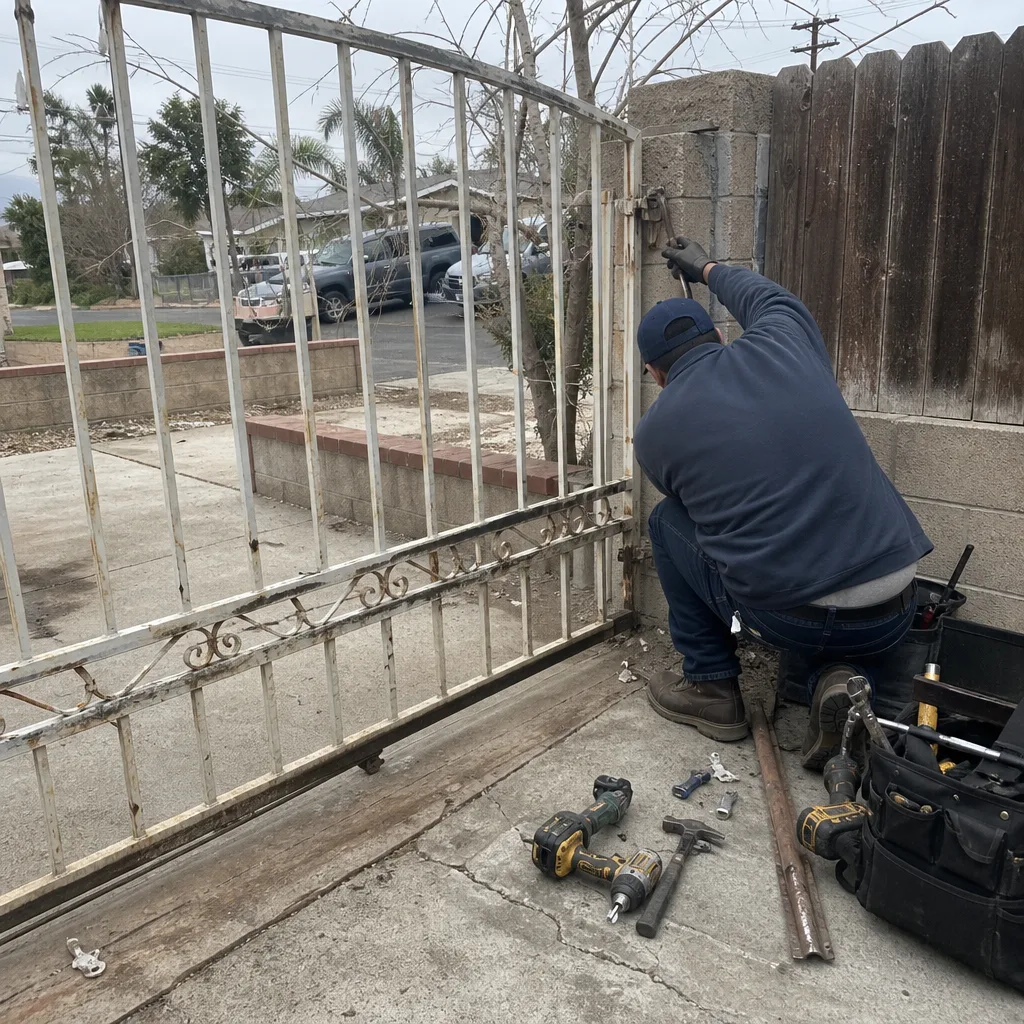 Before
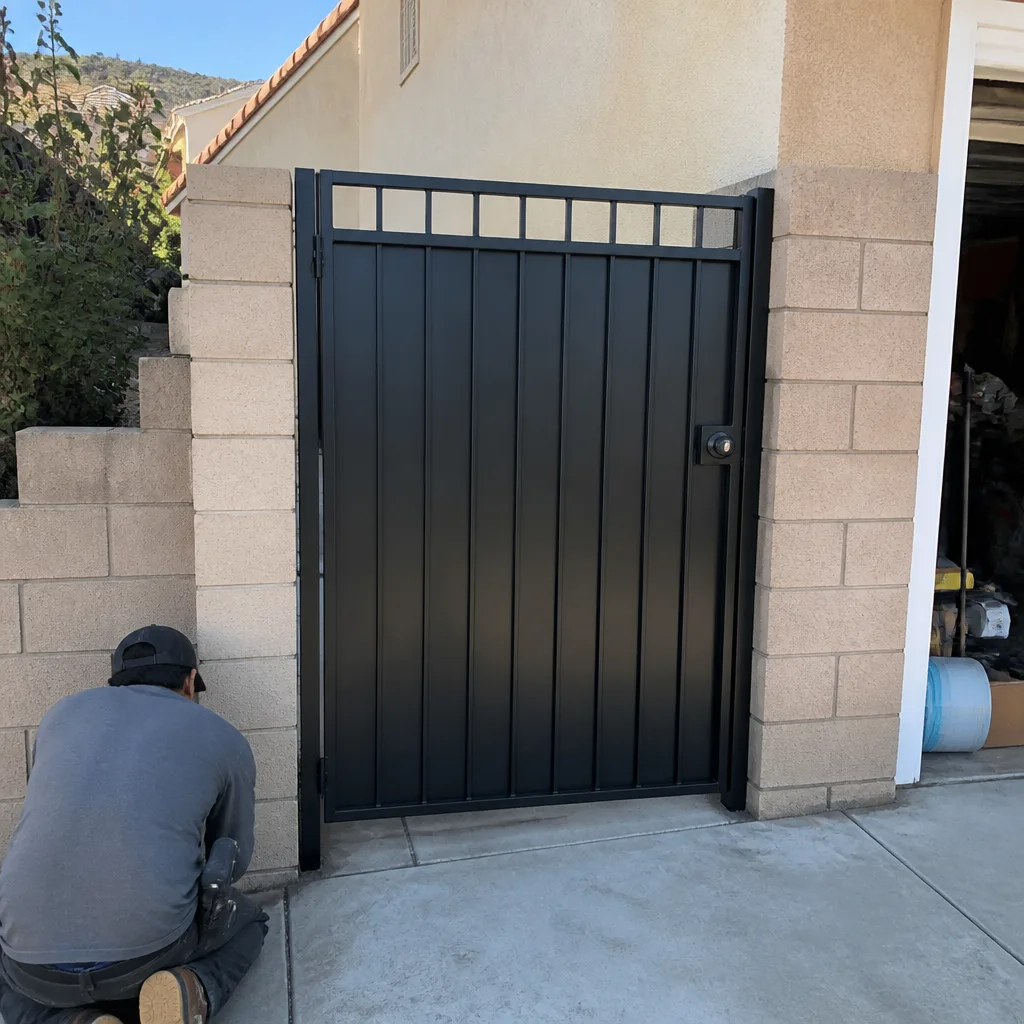 After
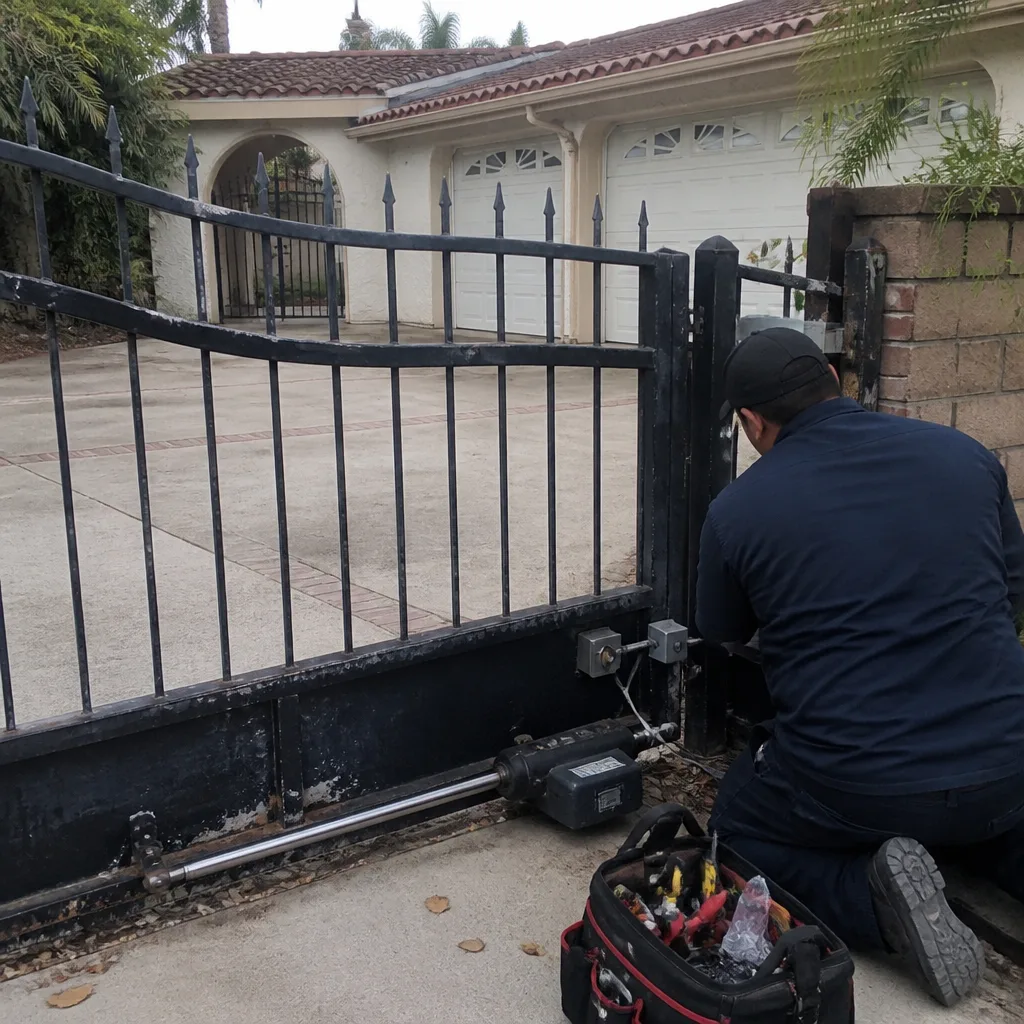 Before
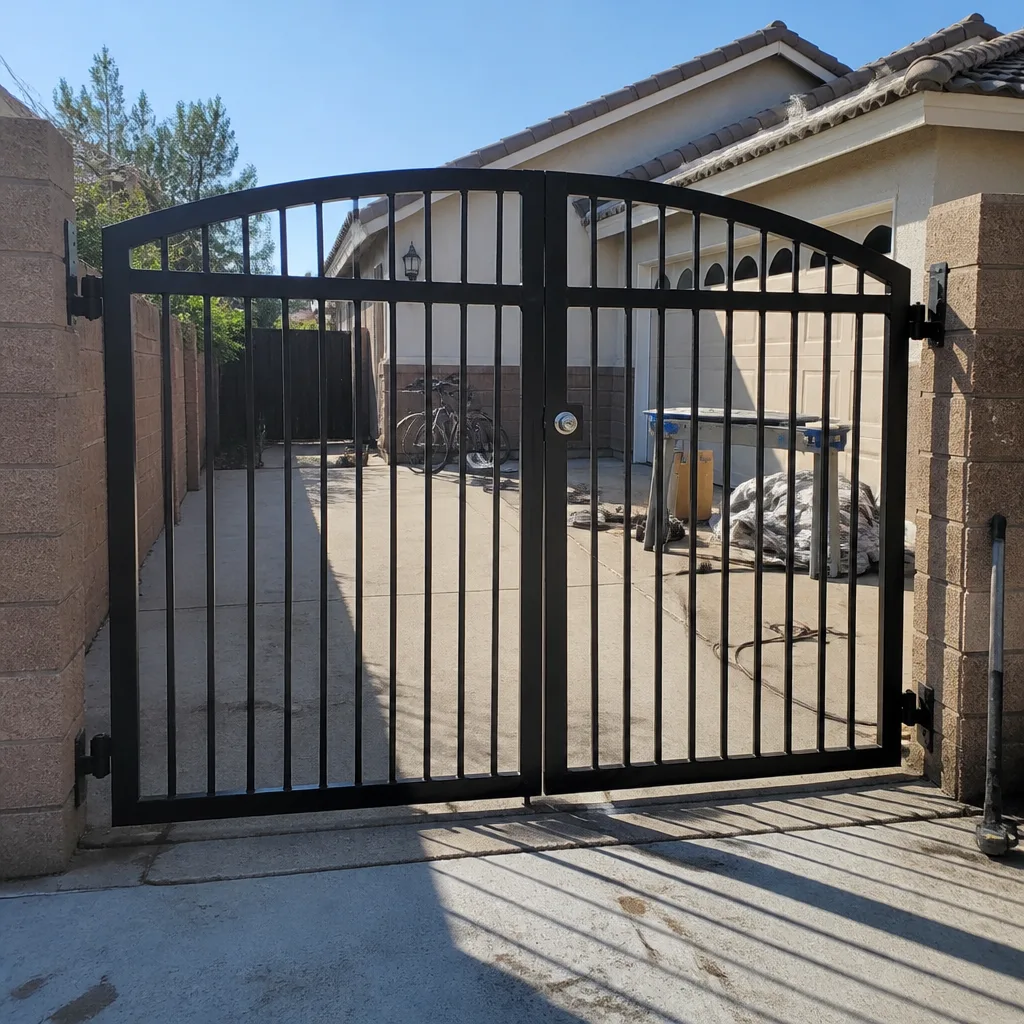 After
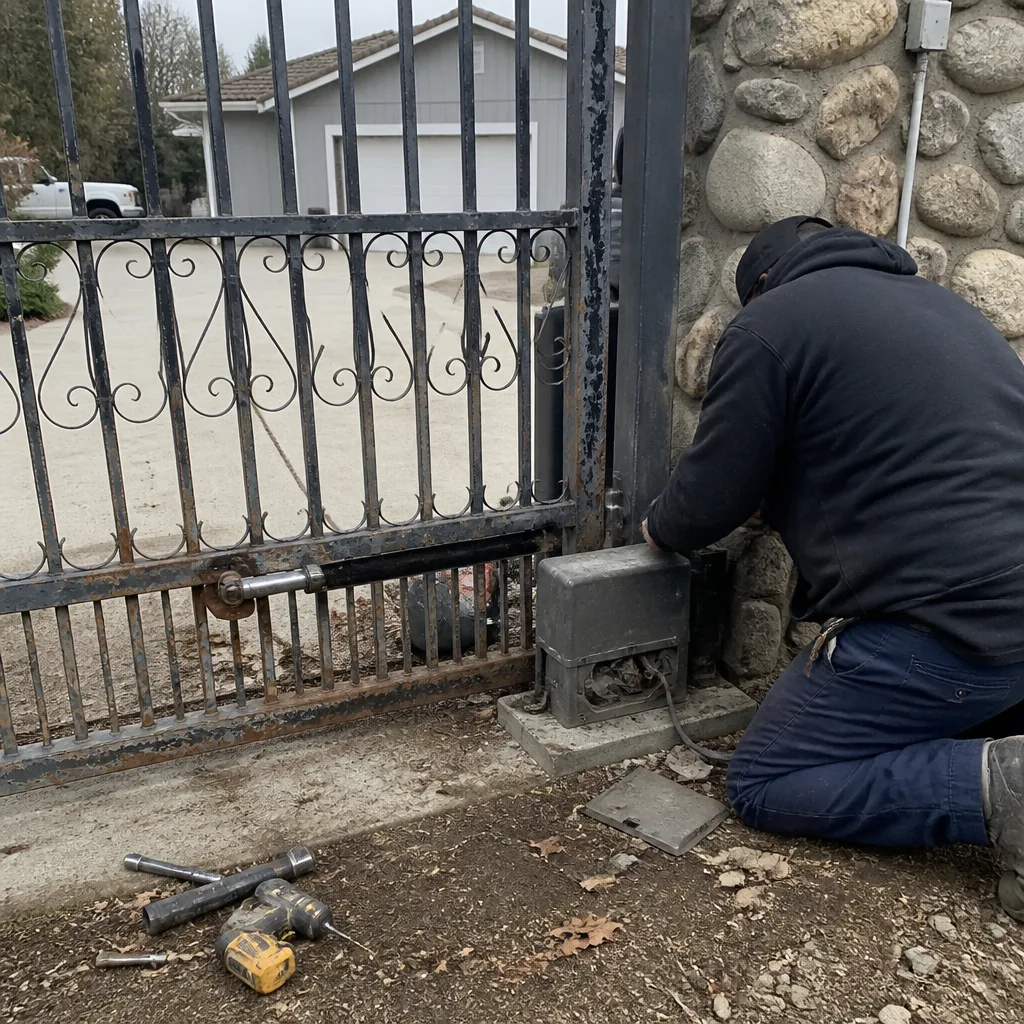 Before
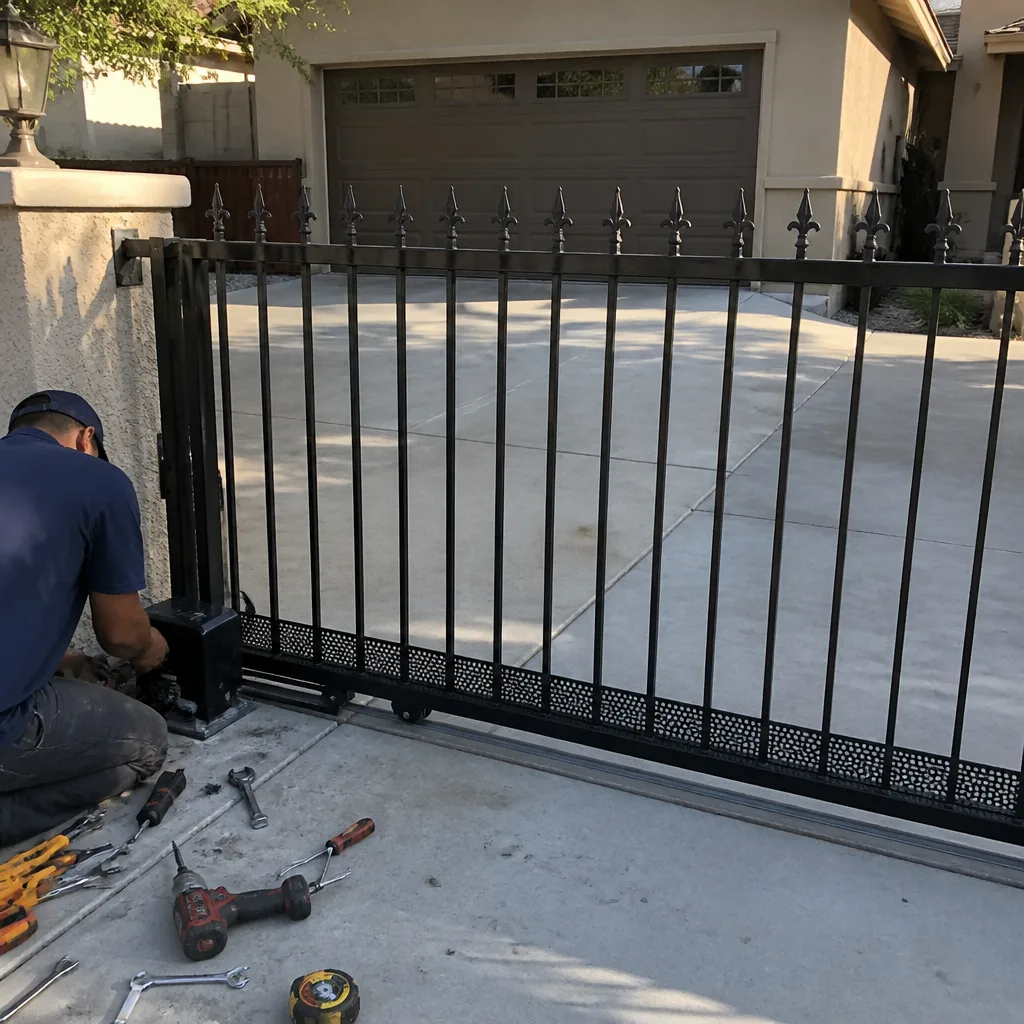 After