
Last updated October 31, 2026
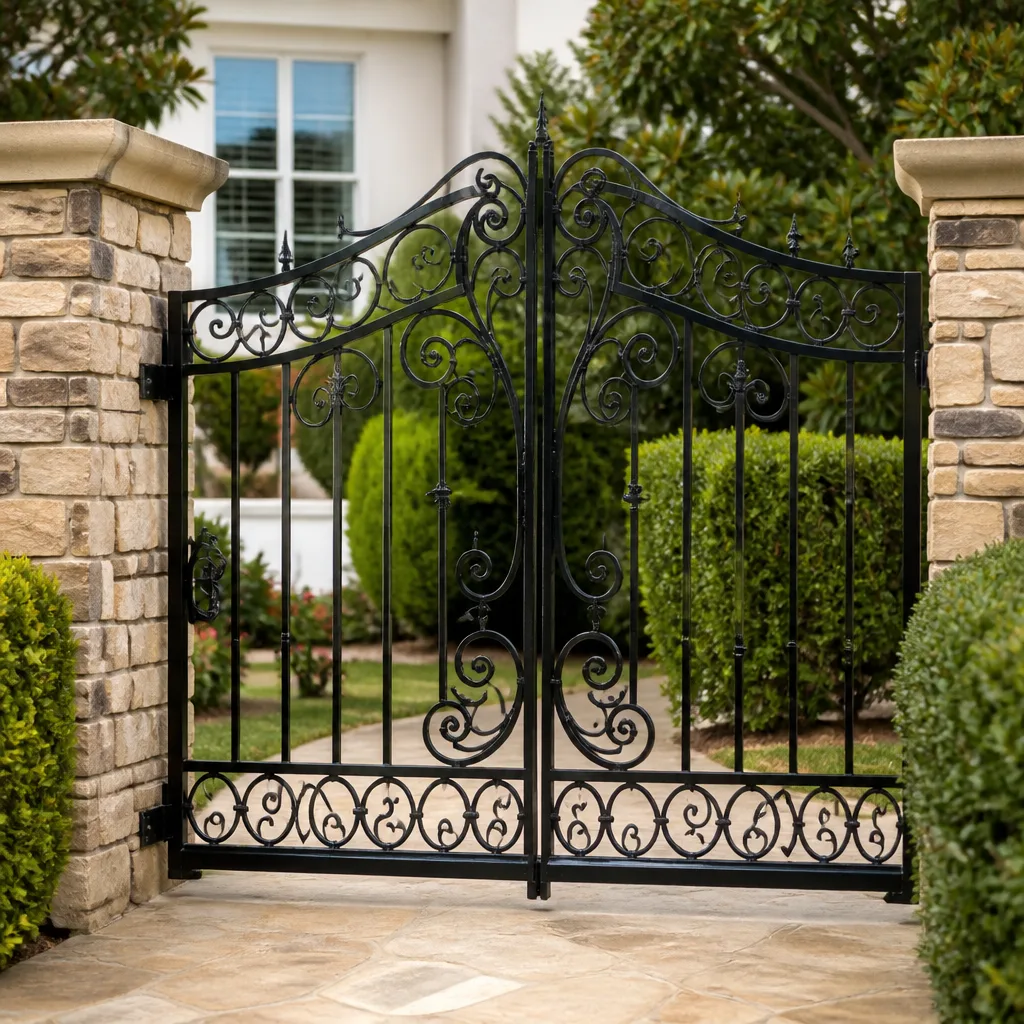 Wrought iron
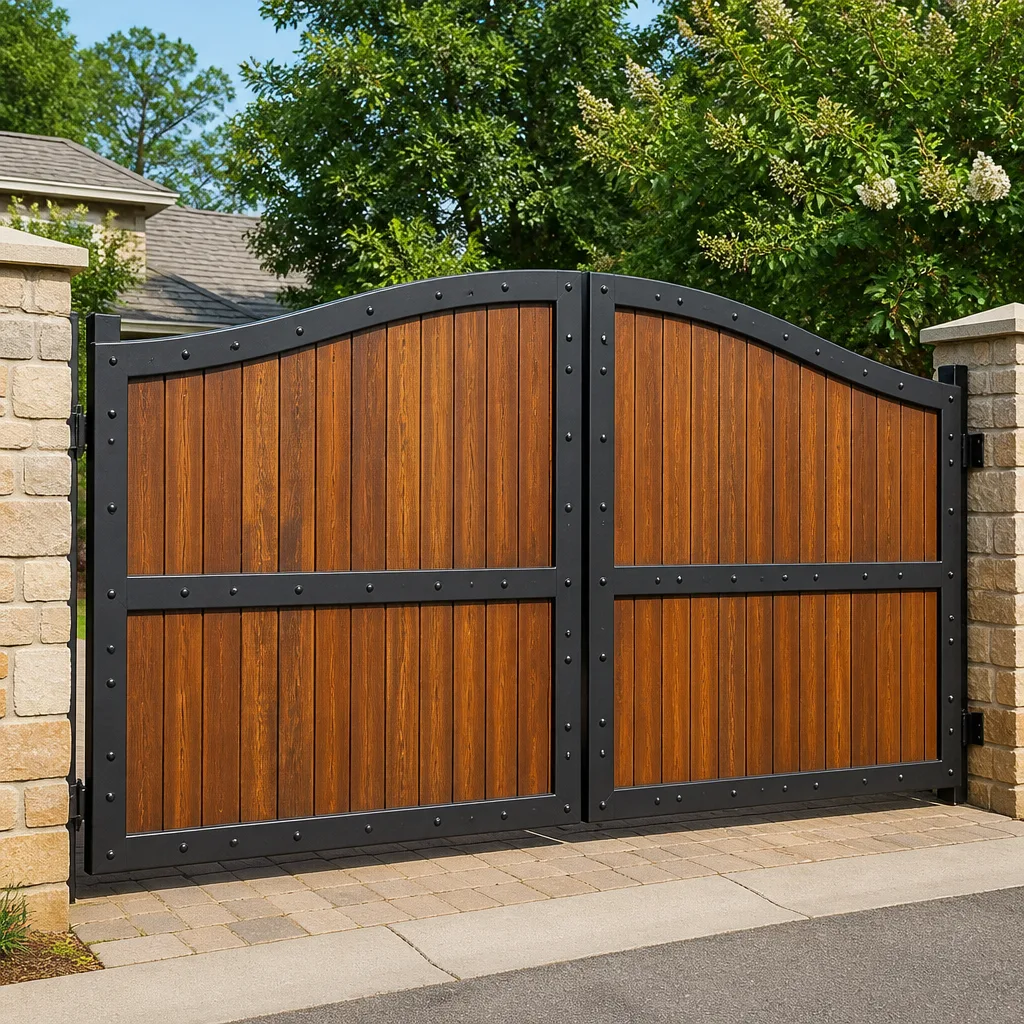 Wood & steel frame
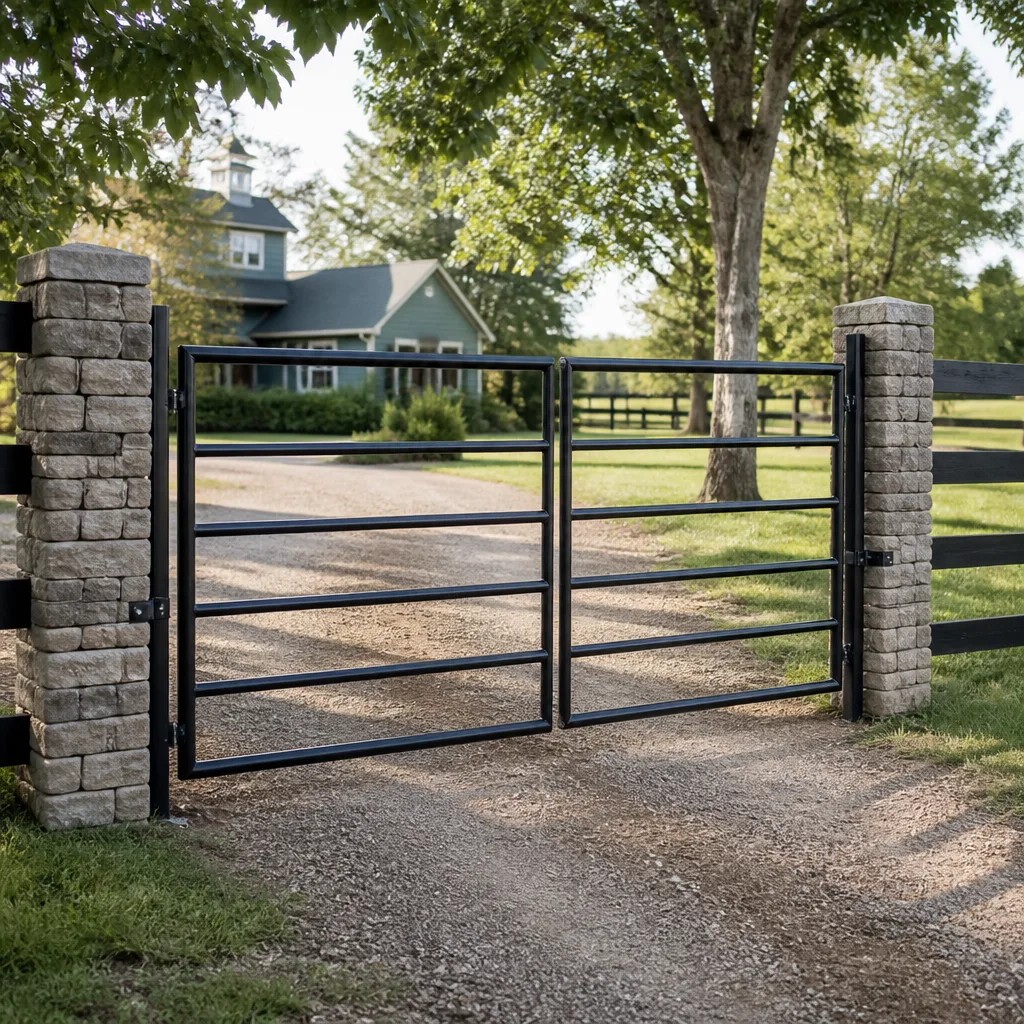 Farm & ranch
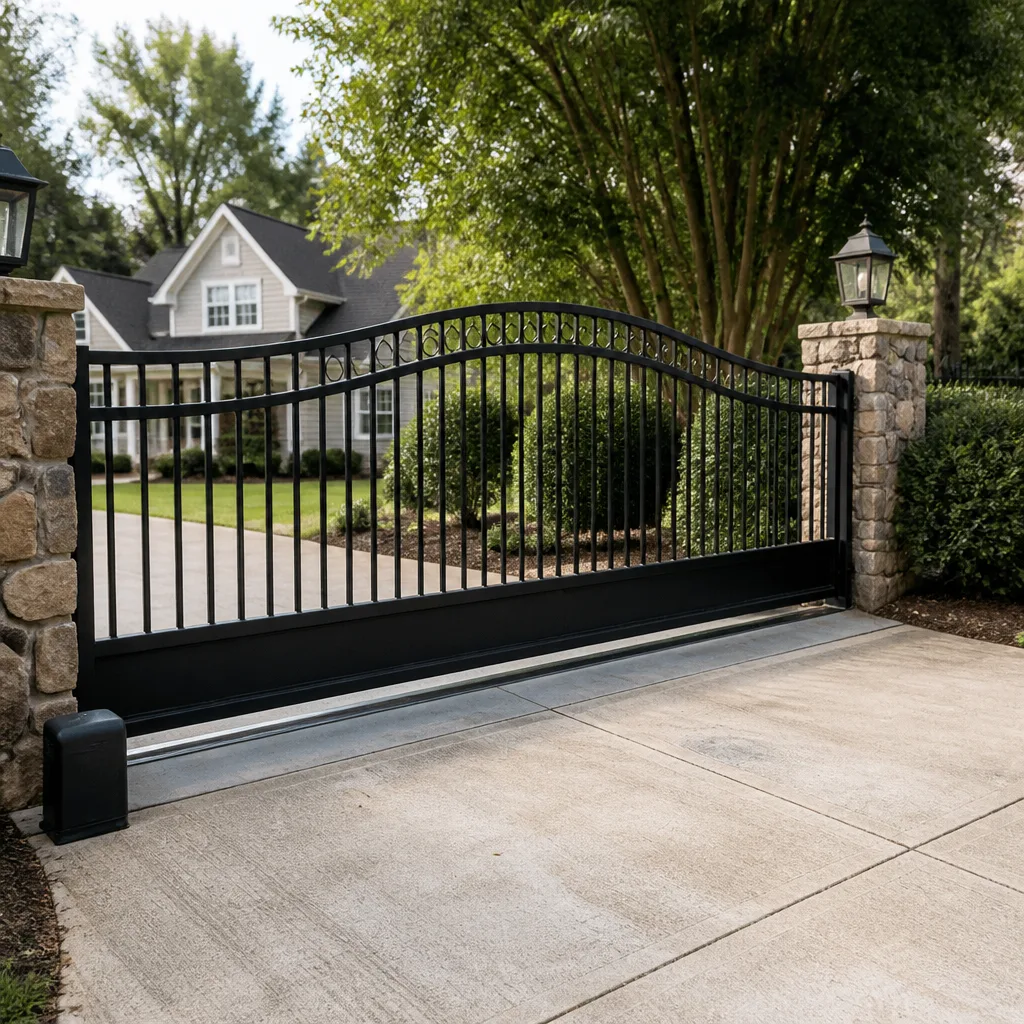 Sliding driveway gates
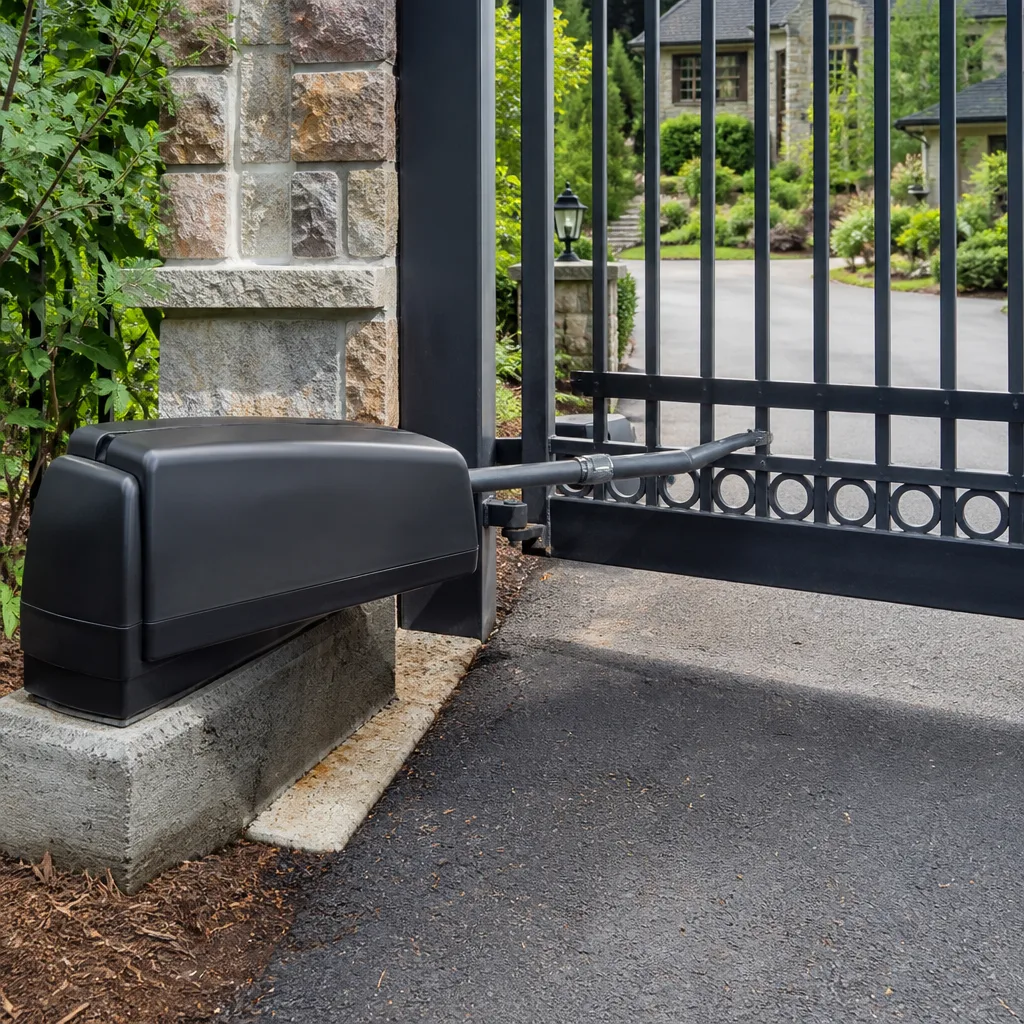 LiftMaster operators
Free on-site gate assessment - hinges, posts, and your LiftMaster or Nice gate operator checked before anything is quoted
The assessment is free and the quote is the invoice.
Get your free estimateSeasonal Gate Repair Care for Corona: Year-Round Homeowner’s Guide
January in Corona can still hit 85°F in the afternoon, which means the “winter slowdown” that most gate maintenance guides assume simply doesn’t apply here. Thermal cycling happens year-round in the Inland Empire, and your automated gate’s metal, wiring, circuit boards, and hinges all expand and contract on a schedule that has nothing to do with a calendar printed in Vermont. What Corona actually has is four distinct stress cycles, each with its own failure pattern. This guide walks you through all four, what to check in each, and how to catch small problems before they become a gate that won’t open at 7 a.m. on a Monday. For more detail, see our The Complete Gate Repair Guide for Corona Homeowners.
Quick Answer
Corona’s gate care calendar should follow four functional seasons rather than four calendar seasons: dry heat expansion from June through September, Santa Ana stress from October through November, mild-wet ground shift from December through February, and dust-and-pollen clog season from March through May. In each window, the highest-value homeowner tasks are different – checking for heat-related board failures in summer, tightening hardware before Santa Ana winds, checking post alignment after winter rains, and cleaning sensors and battery compartments in spring. A 30-minute seasonal check, done four times a year, prevents roughly 80% of the gate failures we see in Corona.
Styles & brands we work with
Table of Contents
- Season One: Dry Heat Expansion (June – September)
- Season Two: Santa Ana Stress (October – November)
- Season Three: Mild-Wet Ground Shift (December – February)
- Season Four: Dust and Pollen Clog Period (March – May)
- Battery Backup Performance in Corona Heat
- Adjusting Operator Sensitivity Without Voiding Warranty
- Common Mistakes to Avoid
- When to Call a Professional
- Frequently Asked Questions
Season One: Dry Heat Expansion (June – September)
From June through September, Corona regularly sits above 95°F, and asphalt driveways can reach 140°F or higher by mid-afternoon. Your gate’s steel and aluminum components absorb that heat directly. Steel expands at roughly 0.0000065 inches per inch per degree Fahrenheit. On a 14-foot steel gate, a 60-degree temperature swing changes its length by about a sixteenth of an inch. That doesn’t sound like much, but when the gate was welded or installed at 70°F and is now riding at 130°F in direct sun, the geometry shifts enough to change how the gate seats against the post, how the hinges carry weight, and how much load the opener sees.
What we see in Corona during this window:
- Control board heat failures. Circuit boards inside operator housings can exceed 150°F when the operator box sits in full afternoon sun. Capacitors degrade faster, solder joints flex, and boards that worked fine in May start throwing error codes or rebooting in August.
- Chain and belt tension drift. Heat lengthens chains. A chain that was properly tensioned in spring can develop sag by July, which causes jerky movement and premature sprocket wear.
- Limit switch drift. The limit switches that tell the gate where to stop are typically mounted on metal brackets. As brackets expand, switch positions move by small fractions of an inch – enough that the gate overtravels and slams into the post or undertravels and leaves a gap.
- Lubricant thinning. Heavy greases thin out, run off hinge pins, and leave metal-on-metal contact. Thin lubricants evaporate entirely.
Your June-through-September checklist in Corona:
- Feel the operator housing at 3 p.m. on a hot day. If it’s too hot to hold your hand against for five seconds, the board inside is cooking. Shade the operator or relocate it if possible.
- Watch the gate run one full open-close cycle at the hottest part of the day. Listen for labored motor starts, listen for chain slap, and watch whether the gate stops cleanly at both limits.
- Check hinge pins for play. With the gate in the open position, lift up on the free end. More than a quarter inch of vertical play at the latch post means the hinges or hinge bushings are worn enough to matter.
- Re-tension chains or belts that have visible sag. On LiftMaster and FAAC operators, tension specs are in the manual. If you don’t have the manual, the tension should be firm but not guitar-string tight.
- Clean the control board area. Blow out dust, check for ants and spiders (they love warm electronics), and make sure vent holes are unobstructed.
If you’d rather not spend your Saturdays doing this, call Gate Repair in Corona to have a specialist run the full inspection. One visit in June typically costs less than the emergency repair that follows an August heat-wave board failure.
Season Two: Santa Ana Stress (October – November)
Santa Ana winds are the single most destructive weather event for gates in Corona. Winds gusting 40 to 60 mph push against a 14-foot gate with hundreds of pounds of lateral force. When the gate is closed, that force travels through the latch, the gate leaf, the hinges, and into the post. When the gate is open, the wind loads the entire leaf as a sail. Either way, something has to absorb the energy. Usually, it’s the weakest mechanical connection.
What Santa Ana winds do to automated gates specifically:
- Cycle the opener’s clutch or force settings. The wind pushes back against the motor as it opens or closes. The operator senses that resistance as an obstruction and either reverses, stops, or burns additional current trying to push through it.
- Loosen hinge bolts and post anchors. Repeated wind loading works bolts loose over days, not months. A bolt that was tightened two years ago can be finger-loose after one bad Santa Ana week.
- Whip chains and bend guide rails. A chain-driven opener with a loose chain will slap against the rail repeatedly under wind load. That peens the rail guides and can eventually throw the chain.
- Drive dust and debris into every open cavity. Santa Ana winds carry fine Inland Empire grit at high velocity. It gets into limit switch housings, keypads, photo eye lenses, and battery compartments.
Two weeks before Santa Ana season typically peaks, run this checklist:
- Torque every hinge bolt, bracket bolt, and post anchor nut. If any bolt turns more than a quarter turn, put a wrench on all of them. This single step prevents more Santa Ana gate failures than anything else.
- Inspect the latch and catch for slop. The latch should engage positively without rattling. A loose latch lets the gate bang back and forth against the post in the wind, and that hammering destroys hinge bushings quickly.
- Run the gate through a full cycle on a windy day. Watch whether the operator struggles. If it slows down, reverses, or throws a code, the force settings need adjustment – and that’s a job for someone who knows the specific operator.
- Remove anything within five feet of the gate travel path on both sides. Trash cans, potted plants, and kids’ bikes become projectiles in 50 mph gusts.
- Check that the manual release mechanism works. If winds kill power, you need to be able to open the gate by hand without disassembling anything. Test it before the wind comes, not during.
We work on the brand you already have, and different operators handle wind load differently. A Mighty Mule on a ranch gate has a much lighter-duty clutch than a FAAC on a driveway gate, and the force sensitivity settings reflect that. What’s right for one will bind or stall the other. If you’re not sure whether your opener is set correctly for Santa Ana conditions, our Gate Repair services can confirm it in one visit.
Season Three: Mild-Wet Ground Shift (December – February)
Corona’s rainy season is short and mild compared to the rest of the country, but it doesn’t take much water to move a gate post. The soil in much of Corona is a mix of decomposed granite and sandy loam. It drains quickly when dry, but a week of steady rain changes things. Clay patches absorb water, expand, and push. Sandy patches erode around post footings. Both movement patterns show up the same way at the gate: the latch no longer lines up, the gate drags on the ground, or the gap between gate and post closes up on one side.
The bigger issue is what happens in February and March, after the ground dries out. The soil contracts, but the post doesn’t necessarily settle back into its original position. It settles into wherever the disturbed soil let it drift – often slightly out of plumb, slightly rotated, slightly sunken. The gate that worked fine in December is suddenly binding in March, and the homeowner assumes the opener is failing. In our experience, more than half of the “opener problems” we fix in spring in Corona are actually post-movement problems that got misdiagnosed as electronics.
What to check during and after the wet season:
- Watch the gap between the gate leaf and the latch post. It should be consistent top to bottom and side to side. If the gap tapers or the gate rubs at the top or bottom, the post has moved.
- Open the gate fully and step back. A post that’s out of plumb will make the gate look like it’s hanging crooked, even if the gate itself is fine.
- Check the gate’s clearance above grade. Mark the gate height at the latch end in January, then re-measure in March. If it’s dropped more than half an inch, something is moving.
- Look for fresh cracks in concrete pads or asphalt near the posts. Post movement often shows up in the driveway surface before it shows up at the latch.
If you spot post movement, don’t wait. A gate that drags puts additional load on the opener motor every single cycle, which shortens its life and increases the odds of a total failure. Electric Gate Repair in Corona covers post realignment, hinge replacement, and opener re-calibration after ground shift – because fixing the post without re-calibrating the opener only solves half the problem.
Season Four: Dust and Pollen Clog Period (March – May)
Spring in Corona means wildflower bloom, but it also means fine dust, cottonwood fuzz, and pollen coating every surface. For an automated gate, the danger isn’t aesthetic – it’s mechanical. Photo eye lenses that get filmed over with dust can’t see each other. Battery compartments that fill with pollen retain heat. Keypads that collect grime stop registering key presses. And control boards that get coated in fine dust run hotter, because the dust acts as insulation.
This is also the season when the ground is drying out from winter rain, so you get the combined effect of post movement from Season Three and sensor contamination from Season Four. That combination produces what homeowners experience as “the gate worked fine until spring, now it’s acting weird.”
Spring maintenance tasks for Corona gates:
- Clean the photo eye lenses with a dry microfiber cloth. Do this on both sides of the gate. If you use anything wet, streaks will make the problem worse. Check the alignment after cleaning – a good bump from a passing lawnmower can knock a photo eye out of alignment even if the lens is clean.
- Open the operator cover and blow out the control board compartment. Use a can of compressed air or a blower on low. Pay attention to heat sinks and any cooling fins – those are where dust collects first.
- Remove the keypad faceplate and clean underneath. Most keypads use a rubber membrane that fails when grit gets between the membrane and the contacts. A soft brush and dry air work well.
- Check the battery backup compartment for dust and corrosion. Brush the terminals, check for any swelling or leaking, and note the battery age. More on this below.
- Lubricate hinge pins and chain or belt components with a non-tacky lubricant. Avoid anything that hardens or gets gummy, because it will collect dust and turn into paste by May.
Spring is also the right season to schedule a professional inspection if you didn’t do one in the fall. By the time the heat arrives in June, the gate has been through wind, rain, ground shift, and dust season. A May inspection catches everything before the stress of summer heat pushes a marginal component into failure. Baron Gate Repair home – we work on nine gate brands and we’d rather catch a failing capacitor in May than replace a smoked control board in August.
Battery Backup Performance in Corona Heat
Most automated gate operators in Corona have some form of battery backup, whether it’s a sealed lead-acid battery inside the operator housing or a separate battery box. These batteries are there to keep the gate operational during power outages – which in Corona happen during Santa Ana wind events, heat-wave grid strain, and the occasional thunderstorm.
Here’s the number most homeowners don’t know: above 95°F, sealed lead-acid batteries lose 30 to 40 percent of their rated capacity. That loss is temporary in the sense that the battery recovers when temperatures drop, but it’s permanent in the sense that every hour spent above 95°F shortens the battery’s total service life. Corona regularly puts operator housings through months of 100°F-plus afternoons. A battery that would last four years in a milder climate often fails in two to three years here.
What that means practically: the battery backup you think you have may not be there when you need it. The battery may test fine at 70°F in February and fail to hold a charge during a heat-wave power outage in August. And because gate batteries are often the last component anyone thinks about, a failure typically gets discovered exactly when the power goes out and the gate won’t open.
What homeowners should do:
- Test the battery backup at least twice a year. Kill power to the operator at the breaker or disconnect, then run the gate through a full open-close cycle on battery. If it won’t do that, the battery needs replacement or the charging circuit has failed.
- Note the battery’s manufacture date. Most gate batteries have a date code. After three years in Corona heat, the battery is on borrowed time regardless of how it tests.
- Check whether the battery compartment has any ventilation. Sealed housings trap heat. If the battery and control board share a sealed enclosure that sits in direct sun, consider adding shade or relocating the operator if replacement time comes.
- Don’t assume a solar panel means the battery is being maintained. Solar panels on gate operators in Corona work well, but the charge controllers are simple and don’t compensate for temperature. A solar-charged battery in full heat still ages faster.
This is also one of the areas where gate specialists and general repairers differ. A gate specialist recognizes the battery chemistry, its temperature behavior, and the charging circuit design – and can tell you whether your backup is actually sized for the gate’s draw. A generalist may just swap the battery and call it done. The Gate Repair in Corona page explains how we approach this kind of diagnosis, from the motor to the hinge.
Adjusting Operator Sensitivity Without Voiding Warranty
Every automated gate opener has some form of force or sensitivity setting. On residential operators like Mighty Mule and Ghost Controls, it’s usually a dial or a set of DIP switches. On commercial-grade units like DoorKing and LiftMaster, it’s often a software parameter accessed through the control board. The setting determines how much resistance the operator will push against before it reverses or stops. Set it too high, and the gate will crush anything in its path. Set it too low, and the gate will stall on a windy day or reverse for no apparent reason.
Many homeowners want to adjust this setting seasonally. The instinct is correct – the gate needs more force to push through Santa Ana headwinds than it does on a still August afternoon, and it needs a softer touch when kids are home all summer. But there’s a right way and a wrong way to do it.
The wrong way: cranking the force dial up to maximum because the gate was struggling. That creates a safety hazard – an overpowered gate won’t stop for a child, a pet, or a car bumper. It also masks the real problem. If the gate needs more force than it used to, something has changed: a worn hinge, a dragging wheel, a failing capacitor, a low battery. Turning up the force is like taking ibuprofen every day instead of finding out why your knee hurts.
The right way, and the way that keeps your manufacturer warranty intact:
- Read the manual for your specific operator model. Warranty coverage on BFT, FAAC, LiftMaster, Mighty Mule, and every other brand we service requires that adjustments follow the documented procedure. Improper force settings are grounds for a denied warranty claim in some cases.
- Adjust force or sensitivity in small increments. Most operators have five to ten discrete settings. Move one step at a time, test the gate through a full cycle, and repeat only if needed.
- Test with a stationary obstacle after every adjustment. Place a soft object – a cardboard box, a plastic trash can lid – in the gate’s path and close the gate. The gate must reverse or stop on contact. If it crushes the object, the force is too high.
- Make seasonal adjustments in both directions. If you increased force for Santa Ana season, decrease it in spring when winds die down. The operator should never run at maximum force year-round.
- Document what you changed. Note the setting before and after adjustments in the operator manual or a service log. If a warranty claim ever comes up, that documentation protects you.
If any of this makes you uncomfortable, don’t do it. High-force gate operators are one of the genuinely dangerous pieces of equipment on a residential property. A gate moving under force can injure a person or pet before the operator’s safety systems react. If you’re not sure what your force setting should be for your gate’s weight, length, and wind exposure, have a professional set it—see our Choosing the Right Gate Repair Brand: A Buyer’s Guide for Corona for help selecting qualified help. The money saved by DIY adjustment disappears quickly when the gate does something you didn’t expect.
Common Mistakes to Avoid
- Lubricating everything with WD-40. WD-40 is a penetrant and water displacer, not a lasting lubricant. On gate hinge pins and chain drives, it strips away any remaining grease and leaves metal running dry within a week. Use a proper lithium grease or a specialist-recommended gate lubricant instead.
- Ignoring a gate that “works fine but makes a weird noise.” That noise is a mechanical component telling you it’s wearing out. By the time the noise stops, the component has usually failed completely – and the repair is now twice as expensive.
- Painting over photo eye lenses or sensor housings. Many Corona homeowners repaint their gates in spring. If paint gets on the photo eye lenses or the sensors’ emitter/receiver windows, the gate will refuse to close or will reverse constantly.
- Replacing the battery without checking the charging circuit. A failed battery and a failed charger produce the same symptom: dead battery. If the charger is bad, the new battery will die within months and you’ll assume the battery was defective.
- Adjusting force settings to maximum to “fix” a struggling gate. This converts a mechanical problem (worn hinge, dragging wheel, ground shift) into a safety hazard. The gate should be repaired, not overpowered.
- Skipping the post-wind bolt check because “everything looks fine.” Loose hinge bolts are invisible until the gate sags or the wind catches it. After any Santa Ana event with gusts over 40 mph, put a wrench on the bolts. It takes five minutes.
- Waiting to fix a dragging gate until it stops opening. A gate that drags is putting constant extra load on the opener motor, gears, and circuit board. The repair bill increases every cycle the problem goes unaddressed.
When to Call a Professional
Most of the maintenance tasks in this guide are within a confident homeowner’s reach: cleaning, lubricating, visual inspection, torque-checking bolts, and testing the battery. But certain situations call for a specialist. If your gate has been hit by a vehicle, the post appears tilted, or the gate no longer lines up with the latch, the underlying structure may be compromised in ways that aren’t visible from the surface. If the operator trips a breaker repeatedly, emits a burning smell, or the control board is scorched, you’re dealing with electrical work that carries fire risk. If the gate reverses unpredictably or refuses to close, the safety sensors or force settings are misconfigured – and that’s a safety hazard, not an inconvenience. And if your gate is a commercial-grade system with loop detectors, exit wands, or access control integration, a generalist will waste hours guessing.
Baron Gate Repair offers free estimates in Corona – call (877) 752-1896. We’re gate specialists, not generalists, and we service the brand you already have, from a Mighty Mule on a ranch gate to a FAAC on an estate entrance. Diagnosed and fixed in one visit is the standard, not the aspiration.
Frequently Asked Questions
Four times a year, following the seasonal schedule in this guide (and our more guides & resources). Corona’s climate means every season introduces a different stress pattern – heat expansion, wind loading, ground shift, and dust accumulation – and each one benefits from targeted checks. If you only service once a year, you’ll always be reacting to problems instead of preventing them.
The most common cause in Corona is heat-related expansion and control board temperatures. Metal components expand and change the gate’s geometry, while the control board inside the operator housing can exceed safe operating temperatures on 100°F-plus afternoons. A gate that binds or throws codes only in summer is usually telling you it needs a mechanical adjustment and possibly better operator ventilation.
They genuinely do. A 50 mph gust against a 14-foot solid gate leaf generates hundreds of pounds of lateral force, which cycles through the hinges, latch, and opener components. Repeated gust loading loosens bolts, wears hinge bushings, and forces the operator to work against constantly changing resistance. The damage is cumulative – gates that survive one Santa Ana season may fail in the next because the bolted connections were never re-torqued.
Typically two to three years in Corona’s heat, compared to four to five years in milder climates. Temperatures above 95°F reduce lead-acid battery capacity by 30 to 40 percent and accelerate internal degradation. Test your battery backup twice a year by killing power to the operator and running the gate, and expect to replace the battery every two to three years as preventative maintenance.
Yes, if you follow the manufacturer’s documented procedure and test safely after each incremental change. The key rules: never turn force to maximum to compensate for a mechanical problem, always test that the gate reverses on contact with a soft obstacle, and return settings to normal after the seasonal need passes. If you’re not comfortable doing this safely, it’s a job for a professional. Call (877) 752-1896 for help.
Spring and fall are the most predictable installation windows in Corona. Spring gives you mild temperatures and dry ground after the rainy season, which makes for cleaner post-setting conditions. Fall, after the worst heat but before Santa Ana season peaks, also works well. Summer installations are possible but harder on both the installers and the concrete curing process. If you’re planning a new gate, Gate Installation in Corona walks through what to expect.
The Bottom Line
Corona doesn’t have four textbook seasons, but it absolutely has four gate stress cycles: heat expansion, Santa Ana wind loading, winter ground shift, and spring dust. Once you know which cycle you’re in, you know what to check – and a 30-minute seasonal check four times a year prevents the vast majority of gate failures that leave homeowners stuck in their driveways or stranded outside their own property. The tasks in this guide are specific to Corona’s climate, soil, and weather patterns, not generic advice transplanted from another region. If a check reveals something you’d rather not handle, or if you simply want a specialist to do the inspection, Baron Gate Repair is here. Call (877) 752-1896 for a free estimate. We work on the brand you already have, and we fix it right the first time.
Written by the team at Baron Gate Repair, serving Corona since 2017.
See the difference
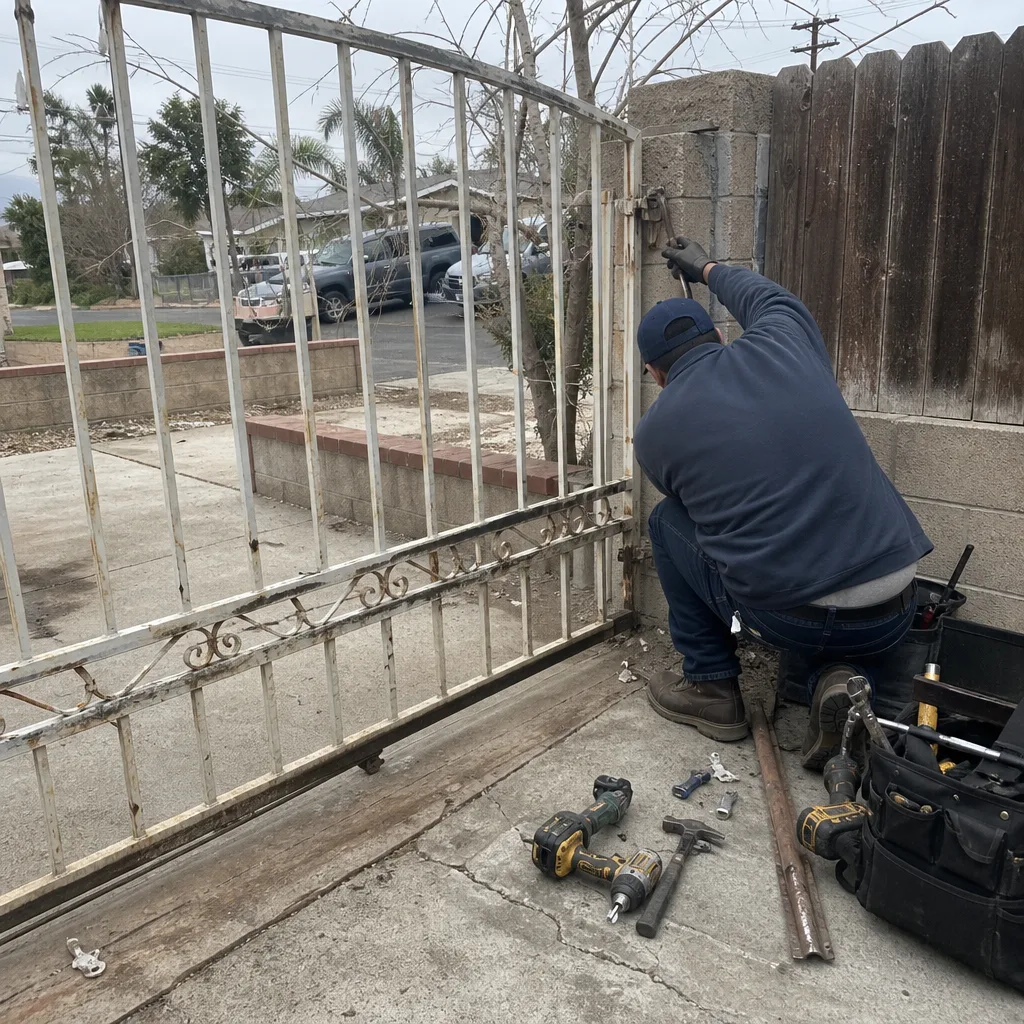 Before
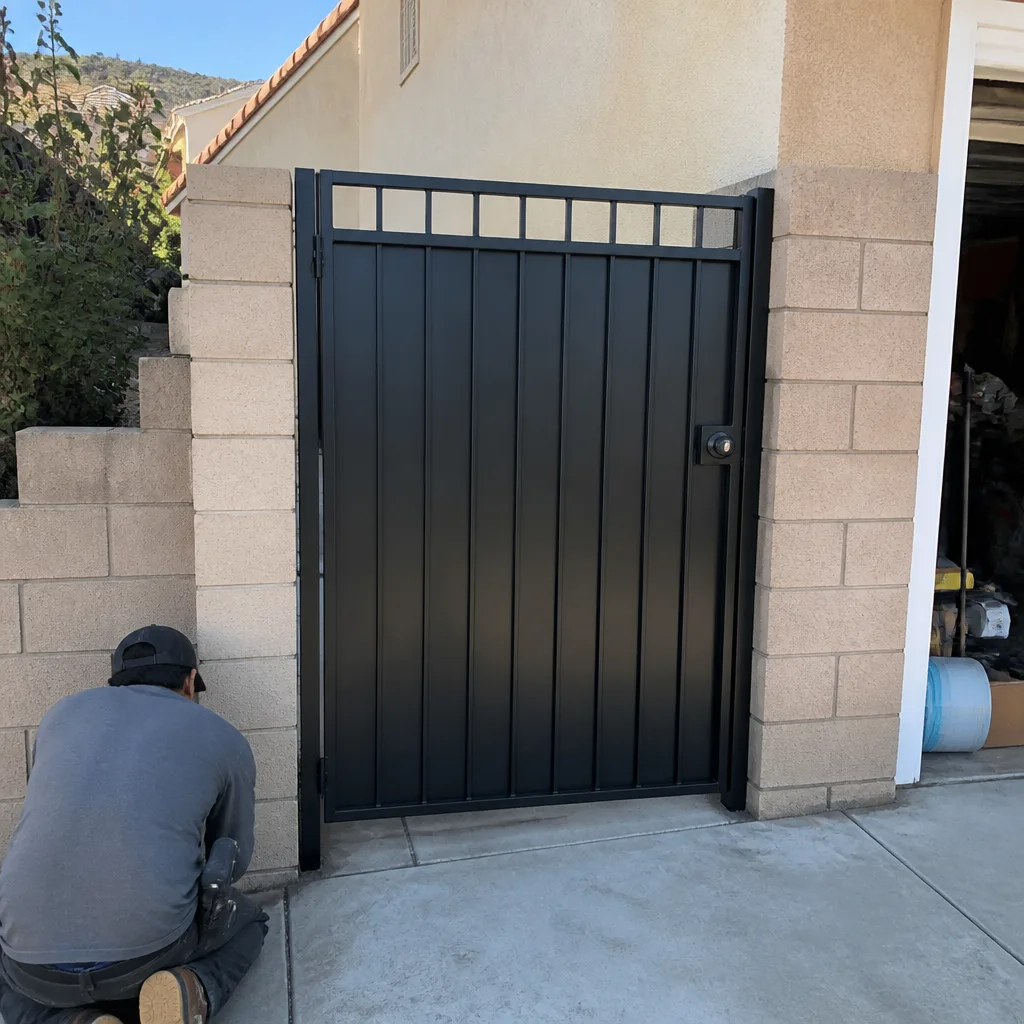 After
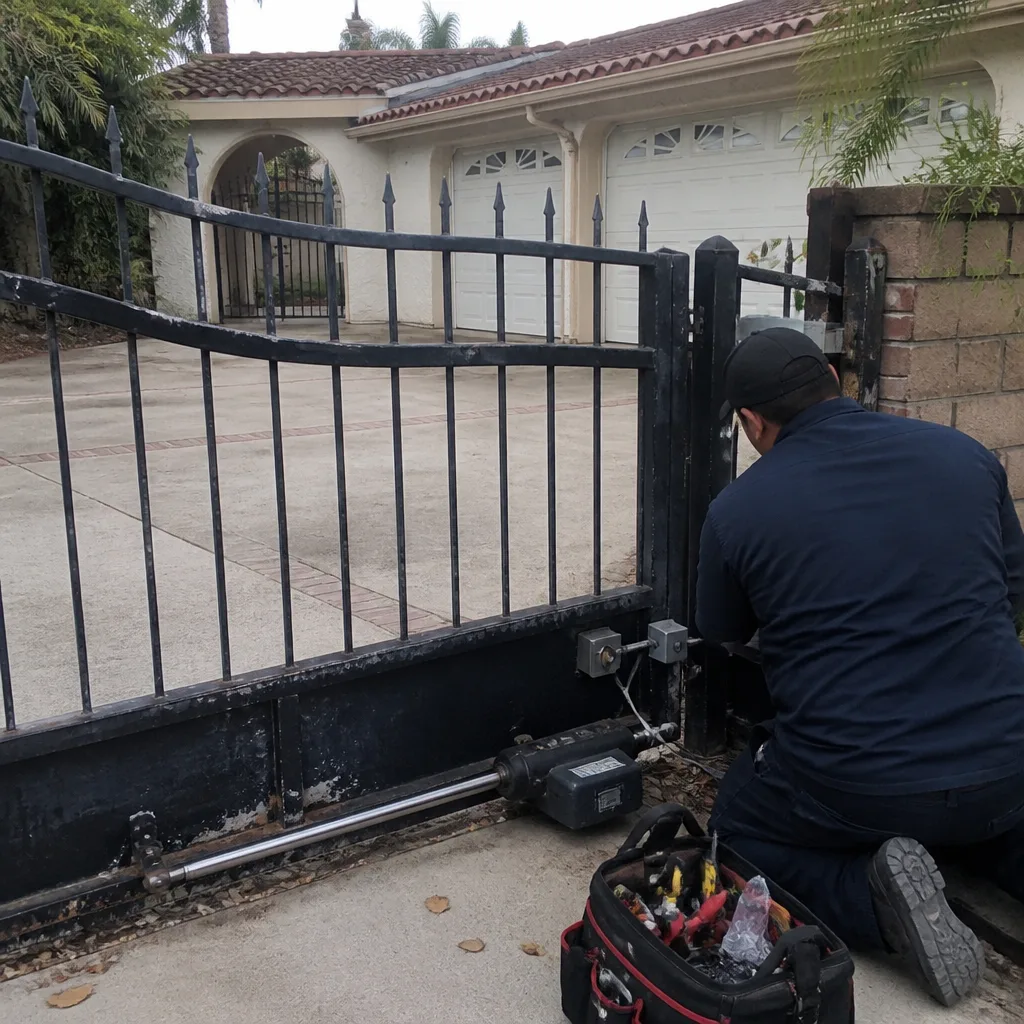 Before
 After
 Before
 After